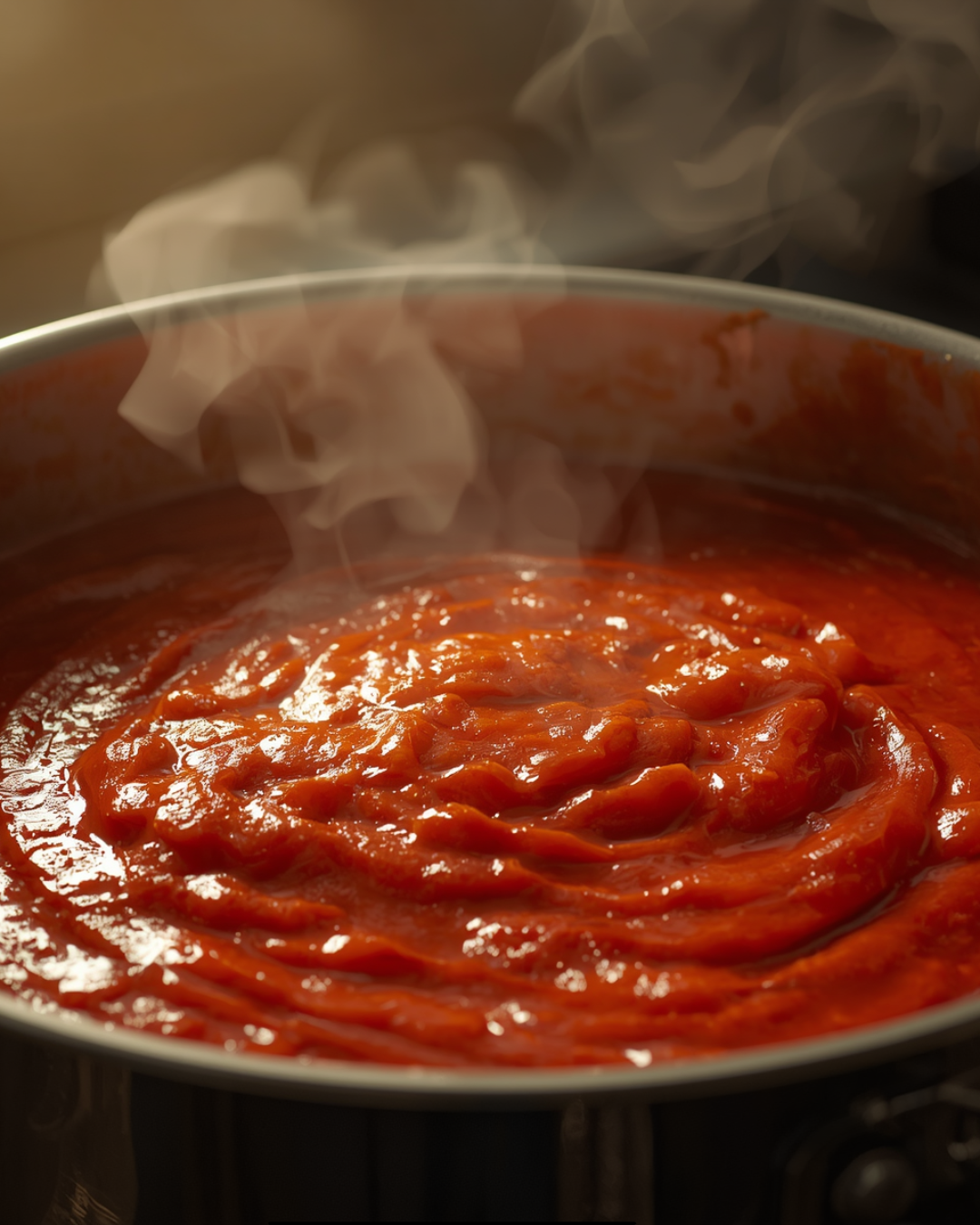
Made with 100% Italian tomatoes and crafted with a passion for authentic flavors, Mutti Pasta Sauce is my go-to for creating meals that feel special without fussing over complicated recipes.
Table of Contents
How to make Mutti Pasta Sauce
Mutti Pasta Sauce is a ready-made tomato-based sauce produced by the Italian brand Mutti, made primarily from Italian tomatoes and used to flavor pasta dishes.
Ingredients
Base Ingredients:
- 2 lbs of ripe Italian plum tomatoes (or canned San Marzano tomatoes for a classic flavor)
- 2 tbsp extra virgin olive oil
- 2 cloves garlic, finely minced
- 1 small yellow onion, finely chopped
Flavorings:
- 1 tsp dried oregano
- 1 tsp dried basil (or 8-10 fresh basil leaves for a sweeter, herbal taste)
- 1 bay leaf
- Salt and freshly ground black pepper, to taste
Optional Additions:
- 1 grated carrot (for natural sweetness, if you prefer no added sugar)
- 1/4 cup grated Parmigiano Reggiano (to achieve Mutti’s creamy tomato & Parmesan sauce flavor)
- 1 tbsp tomato paste (optional, for a thicker consistency)
- Pinch of red chili flakes (for some heat, if desired)
Optional Sweetener:
- 1/2 tsp honey or sugar (optional, adjust based on taste)
Instructions
- If using fresh tomatoes, blanch them by boiling for 1–2 minutes, then transfer them to an ice bath. Remove the skin, then chop roughly. If using canned San Marzano tomatoes, skip this step and use them directly.
- In a medium saucepan, heat the olive oil over low to medium heat. Add the minced garlic and chopped onion. Sauté until fragrant and translucent — about 4–5 minutes. Avoid browning the garlic, as it can make the sauce taste bitter.
- Add the chopped or canned tomatoes to the pan. Use a wooden spoon or a potato masher to crush any larger tomato pieces slightly. Add the dried oregano and bay leaf, stirring well.
- Lower the heat and let the sauce simmer gently for 30–40 minutes, stirring occasionally. As it cooks, the flavors will deepen, and the sauce will thicken. If the sauce begins to dry out, add a few tablespoons of water or chicken/vegetable stock.
- Once the sauce has simmered, taste and adjust the seasoning with salt, pepper, and optional sugar/honey. If you’d like a creamier sauce, stir in grated Parmigiano Reggiano during the last 5 minutes of cooking. For a fresh burst of flavor, add torn basil leaves just before turning off the heat.
- For a smooth, Mutti-style sauce, use an immersion blender or a regular blender to purée until velvety smooth. Alternatively, you can leave the sauce slightly chunky for more texture.
- Remove the bay leaf and serve over your favorite pasta — whether it’s spaghetti, penne, or ravioli. Garnish with fresh basil leaves and a sprinkle of Parmigiano Reggiano if desired.
Tips for the Perfect Sauce
- The key to Mutti pasta sauce is the rich taste of top-tier tomatoes. Opt for San Marzano or any ripe, Italian variety for a balanced flavor profile.
- Rushing the cooking process can lead to less flavorful results. Slow simmering allows the ingredients to meld beautifully while deepening the sauce’s natural sweetness.
- Mutti emphasizes natural sweetness, so be cautious about adding sugar. If your tomatoes are too acidic, add sweetness in small increments to maintain balance.
- Dried basil and oregano work well, but fresh basil brings a delightful fragrance. Try using both to enhance the complexity of flavors.
- Want to mimic Mutti’s signature sauces like the tomato & Parmigiano Reggiano variety? Add freshly grated Parmesan or cream towards the end for a velvety finish.
Ingredients substitutes
Whether you’re missing an ingredient or need alternatives to meet dietary preferences, replacing certain elements when making Mutti pasta sauce is easy — and often just as flavorful.
Base Ingredients Substitutes
Tomatoes (Fresh or Canned)
Mutti sauces are renowned for their high-quality, 100% Italian tomatoes. If you don’t have access to them, here are some alternatives:
Substitute 1: Canned Crushed Tomatoes or Tomato Puree
If San Marzano or Italian plum tomatoes aren’t available, choose another high-quality canned tomato brand. Look for “crushed” or “pureed” canned tomatoes for a similar consistency.
Substitute 2: Tomato Paste + Water
Mix 2 tablespoons of tomato paste with 1/2 cup of water as a quick substitute for fresh or canned tomatoes. This creates a concentrated tomato base, although it may lack the fresh vibrancy of whole tomatoes.
Substitute 3: Cherry or Grape Tomatoes (Fresh)
Roast cherry or grape tomatoes in the oven with olive oil, salt, and pepper until softened. Then blend them into a sauce. This adds a sweeter, slightly roasted flavor.
Olive Oil Alternatives
High-quality extra virgin olive oil is often the backbone of a good Italian sauce, but you can use these oils if you’re out of it:
- Avocado Oil: A neutral oil with a slightly buttery flavor that works well for sautéing.
- Canola or Vegetable Oil: While less flavorful, these oils can be used in a pinch. You can enhance the aroma by adding butter or a small pinch of dry herbs during cooking.
Aromatic Substitutes
Garlic Substitutes
Garlic brings a distinctive aroma to Italian cooking, but if you’re out of fresh garlic, consider these substitutes:
- Garlic Powder: Use 1/4 teaspoon for every clove of garlic called for in the recipe.
- Shallots or Onions: Use finely minced shallots or an extra portion of onion for a slightly milder flavor.
- Roasted Garlic Paste: If available, a dollop of pre-roasted garlic paste can add depth to the sauce.
Onion Substitutes
If you don’t have a fresh onion:
- Leeks: Use finely chopped leeks for a subtle onion-like flavor.
- Scallions (Green Onions): Add finely chopped scallions as a lighter, fresher replacement.
- Onion Powder: Use 1 teaspoon of onion powder to replace 1 small onion.
Herb and Spice Substitutes
Dried Oregano and Basil
If you don’t have these Italian herbs, try:
- Italian Seasoning Mix: This often includes oregano, basil, thyme, and rosemary. Use 1 teaspoon of the mix for every 1/2 teaspoon of oregano or basil.
- Fresh Herbs: While Mutti sauces rely on the simplicity of dried herbs, rosemary or parsley can add complementary flavors.
Fresh Basil Substitute
- Spinach + Mint: Blend fresh spinach leaves and a small pinch of mint to mimic the herbal freshness of basil.
- Dried Basil: If fresh basil isn’t available, use 1 teaspoon of dried basil to replace about 8–10 fresh leaves.
Bay Leaf
The earthy tones of bay leaf contribute to depth, but you can skip it or substitute it with:
- Dried Thyme: Adds a mild, herbaceous note similar to that of bay leaf. Use sparingly.
- A Small Cinnamon Stick: For a unique twist, it adds a subtle layer of warmth, especially in long-simmered sauces.
Sweetener Substitutes
While Mutti sauces are celebrated for their natural sweetness, proper substitution will help balance acidity if your tomatoes are too tart:
- Grated Carrot: Add 1/4 cup of grated carrot to the sauce for a natural, healthy sweetener.
- Honey or Maple Syrup: Use 1/2 teaspoon at a time until the sauce’s flavor is balanced.
- Brown Sugar: Adds a deeper sweetness compared to regular white sugar.
Final Thoughts
Making your own version of Mutti pasta sauce is incredibly rewarding. With quality ingredients, a little patience, and attention to flavor balance, you’ll create a sauce that’s every bit as comforting and delicious as its store-bought counterpart.
More Sauce Recipes:
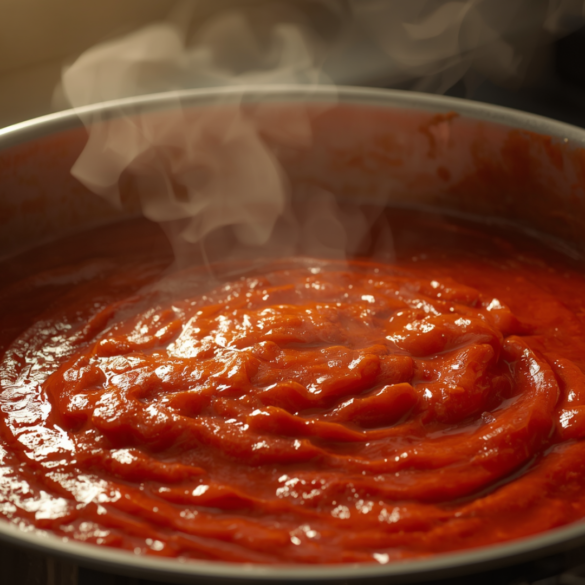
Ingredients
Base Ingredients:
- 2 lbs of ripe Italian plum tomatoes
- 2 tbsp extra virgin olive oil
- 2 cloves garlic, finely minced
- 1 small yellow onion, finely chopped
Flavorings:
- 1 tsp dried oregano
- 1 tsp dried basil
- 1 bay leaf
- Salt and freshly ground black pepper, to taste
Optional Additions:
- 1 grated carrot
- 1/4 cup grated Parmigiano Reggiano
- 1 tbsp tomato paste
- Pinch of red chili flakes
Optional Sweetener:
- 1/2 tsp honey or sugar
Instructions
- If using fresh tomatoes, blanch them by boiling for 1–2 minutes, then transfer them to an ice bath. Remove the skin, then chop roughly. If using canned San Marzano tomatoes, skip this step and use them directly.
- In a medium saucepan, heat the olive oil over low to medium heat. Add the minced garlic and chopped onion. Sauté until fragrant and translucent — about 4–5 minutes. Avoid browning the garlic, as it can make the sauce taste bitter.
- Add the chopped or canned tomatoes to the pan. Use a wooden spoon or a potato masher to crush any larger tomato pieces slightly. Add the dried oregano and bay leaf, stirring well.
- Lower the heat and let the sauce simmer gently for 30–40 minutes, stirring occasionally. As it cooks, the flavors will deepen, and the sauce will thicken. If the sauce begins to dry out, add a few tablespoons of water or chicken/vegetable stock.
- Once the sauce has simmered, taste and adjust the seasoning with salt, pepper, and optional sugar/honey. If you'd like a creamier sauce, stir in grated Parmigiano Reggiano during the last 5 minutes of cooking. For a fresh burst of flavor, add torn basil leaves just before turning off the heat.
- For a smooth, Mutti-style sauce, use an immersion blender or a regular blender to purée until velvety smooth. Alternatively, you can leave the sauce slightly chunky for more texture.
- Remove the bay leaf and serve over your favorite pasta — whether it’s spaghetti, penne, or ravioli. Garnish with fresh basil leaves and a sprinkle of Parmigiano Reggiano if desired.