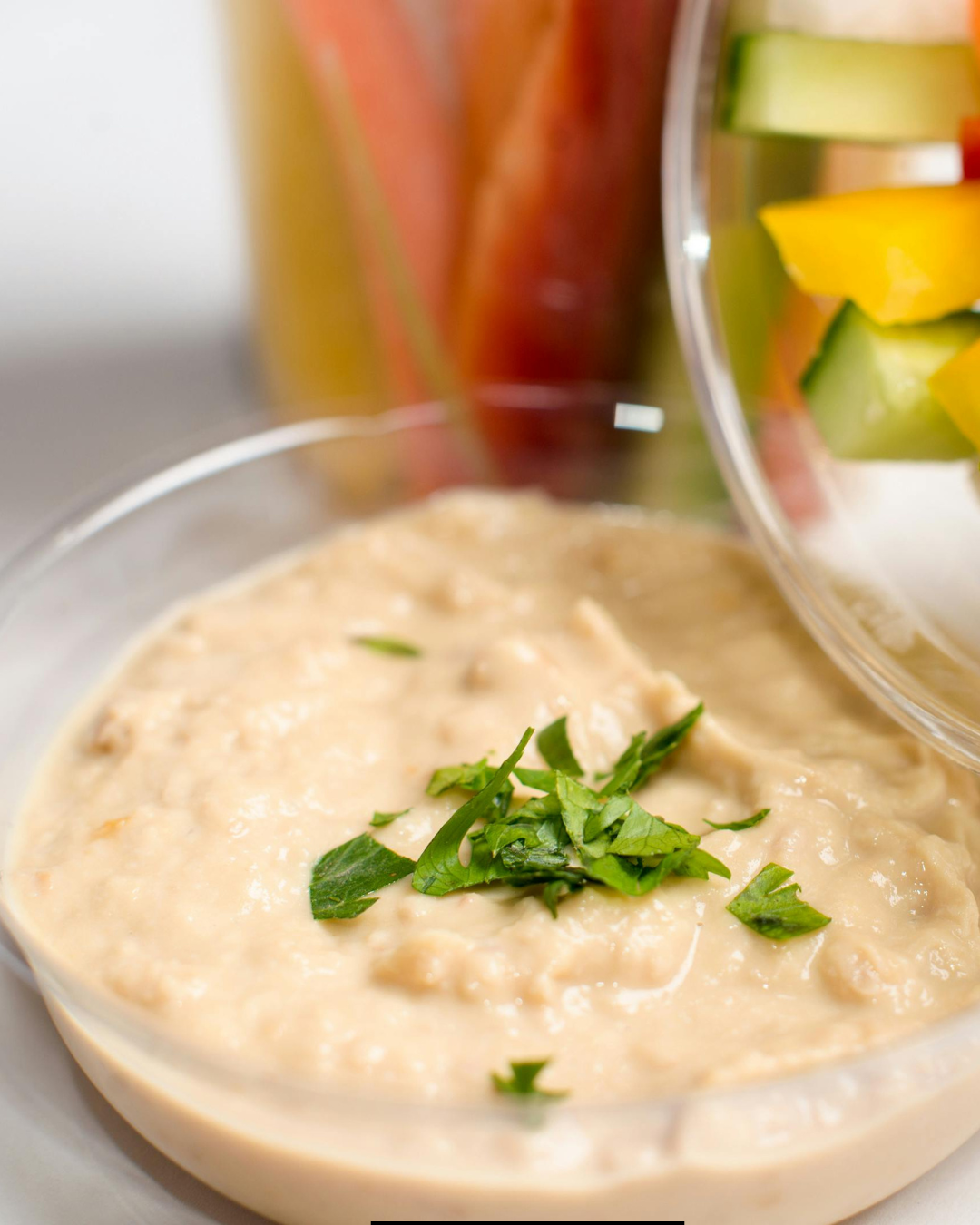
Over the years, I’ve tested countless sauce recipes to find the perfect balance of flavor, creaminess, and freshness for my bowls. This journey has resulted in a handful of go-to Roasted Veggie Bowl Sauce recipes that I absolutely swear by.
Table of Contents
How to make Roasted Veggie Bowl Sauce
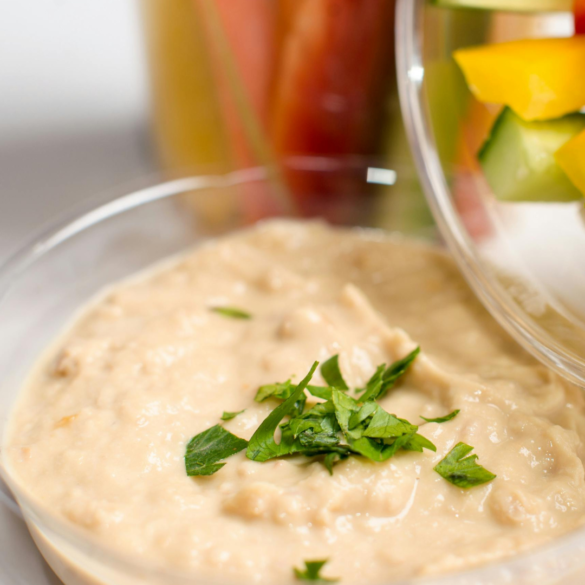
Roasted Veggie Bowl Sauce is a flavorful dressing or drizzle added to a bowl of roasted vegetables to enhance taste and texture. It is typically made from a blend of ingredients like oil, yogurt, tahini, herbs, spices, or citrus juice, and it helps bring moisture, richness, and balance to the dish.
Ingredients
- ¼ cup tahini
- 2 tablespoons fresh lemon juice
- 1 clove garlic, minced
- 1–2 tablespoons water
- 1 teaspoon olive oil
- 1 teaspoon maple syrup (optional)
- Salt and black pepper
Instructions
- Finely mince your garlic or grate it using a microplane to ensure the flavor is evenly distributed. If you want a milder taste, lightly sauté it or roast it beforehand.
- In a medium-sized bowl, whisk together the tahini, lemon juice, olive oil, and minced garlic. At first, the mixture might thicken or look slightly clumpy; don’t worry, this is normal.
- Gradually add water, one tablespoon at a time, while whisking. The sauce will loosen and turn creamy as you continue. Stop when you reach your preferred consistency—you can keep it thick to drizzle onto bowls or make it thinner for dipping or pouring.
- Add maple syrup (if using), salt, and pepper. Taste the sauce and adjust the flavors—add more lemon for tanginess, maple syrup for sweetness, or salt to enhance the overall taste.
- Use the sauce immediately or store it in an airtight container in the fridge for up to 5 days. It may thicken as it sits, so stir in a little water or olive oil to revive it before using.
Ingredients Substitutes
When making a Roasted Veggie Bowl Sauce, flexibility is key. You might not have all the ingredients on hand, or maybe you’re looking for alternatives to fit specific dietary needs or flavor preferences.
1. Tahini (Main Base)
Tahini provides a nutty, creamy base for the sauce, but there are plenty of great substitutes if you don’t have it or prefer something different.
Substitutes:
- Peanut Butter: Use creamy peanut butter (unsweetened if possible) for a slightly sweeter, nuttier flavor. Works great in Asian-inspired bowls.
- Almond Butter: Creates a mild and subtly nutty alternative, ideal for bowls with earthy flavors like roasted sweet potatoes and carrots.
- Sunflower Seed Butter: A nut-free option that’s creamy and slightly salty—perfect for those with nut allergies.
- Cashew Butter: Offers a milder, buttery flavor that’s perfect if you want a more neutral-tasting sauce.
2. Lemon Juice (Acidity)
Lemon juice brightens the sauce and adds a tangy note, but you can swap it for other acidic ingredients.
Substitutes:
- Lime Juice: Offers similar acidity but with a zestier, slightly sweeter flavor. Works beautifully in a Tex-Mex or tropical-inspired veggie bowl.
- Rice Vinegar: A milder, slightly sweet vinegar that pairs well with tahini or nut butters in the sauce.
- Apple Cider Vinegar: Adds a tangy bite and sweetness—use slightly less to avoid overpowering.
- White Wine Vinegar: A subtler option that’s great for a more mellow tang.
3. Garlic (Savory Component)
Garlic brings depth and a savory edge to the sauce, but you can replace it or tone it down depending on your preference.
Substitutes:
- Garlic Powder: Use ½ teaspoon for a mild garlic flavor without the punch of fresh garlic. Perfect for faster prep.
- Shallots: Finely minced shallots can add a milder onion-like flavor as an alternative to garlic.
- Roasted Garlic: Roast garlic cloves for a sweeter, caramelized version of garlic that blends beautifully into the sauce.
- Onion Powder: If you’re out of garlic, this substitute works well in adding general savory depth.
4. Maple Syrup (Sweetness)
Maple syrup balances the tanginess and nutty flavors in the sauce, but there are many swaps depending on what you have available.
Substitutes:
- Honey: A natural sweetener that works just as well as maple syrup. Slightly thicker but equally delicious.
- Agave Nectar: A vegan-friendly option that’s slightly sweeter than maple syrup—use sparingly.
- Brown Sugar: Adds sweetness with a hint of molasses; dissolve it in warm water before adding to the sauce.
- Date Syrup: A nutrient-rich, natural sweetener that’s perfect for a deeper flavor profile.
5. Olive Oil (Richness and Texture)
Olive oil delivers smoothness and body to the sauce, but if you don’t have it, there are several alternatives.
Substitutes:
- Avocado Oil: A neutral-flavored oil that’s a great substitute for olive oil.
- Sesame Oil: Adds nuttiness and depth, especially if you’re leaning into an Asian-style sauce.
- Coconut Oil: Works as a replacement if melted, but it adds a subtle sweetness and richness.
- No Oil: If you’re avoiding oil, you can skip it entirely and use additional water or plant-based milk for thinning the sauce.
Final Thoughts
When making ingredient swaps, adjust proportions slowly. Always taste the Roasted Veggie Bowl Sauce as you go—adding just a little at a time to achieve the perfect balance. This way, you’ll ensure the sauce keeps its intended flavor and consistency!
More Sauce Recipes:
Ingredients
- ¼ cup tahini
- 2 tablespoons fresh lemon juice
- 1 clove garlic, minced
- 1–2 tablespoons water
- 1 teaspoon olive oil
- 1 teaspoon maple syrup (optional)
- Salt and black pepper
Instructions
- Finely mince your garlic or grate it using a microplane to ensure the flavor is evenly distributed. If you want a milder taste, lightly sauté it or roast it beforehand.
- In a medium-sized bowl, whisk together the tahini, lemon juice, olive oil, and minced garlic. At first, the mixture might thicken or look slightly clumpy; don’t worry, this is normal.
- Gradually add water, one tablespoon at a time, while whisking. The sauce will loosen and turn creamy as you continue. Stop when you reach your preferred consistency—you can keep it thick to drizzle onto bowls or make it thinner for dipping or pouring.
- Add maple syrup (if using), salt, and pepper. Taste the sauce and adjust the flavors—add more lemon for tanginess, maple syrup for sweetness, or salt to enhance the overall taste.
- Use the sauce immediately or store it in an airtight container in the fridge for up to 5 days. It may thicken as it sits, so stir in a little water or olive oil to revive it before using.