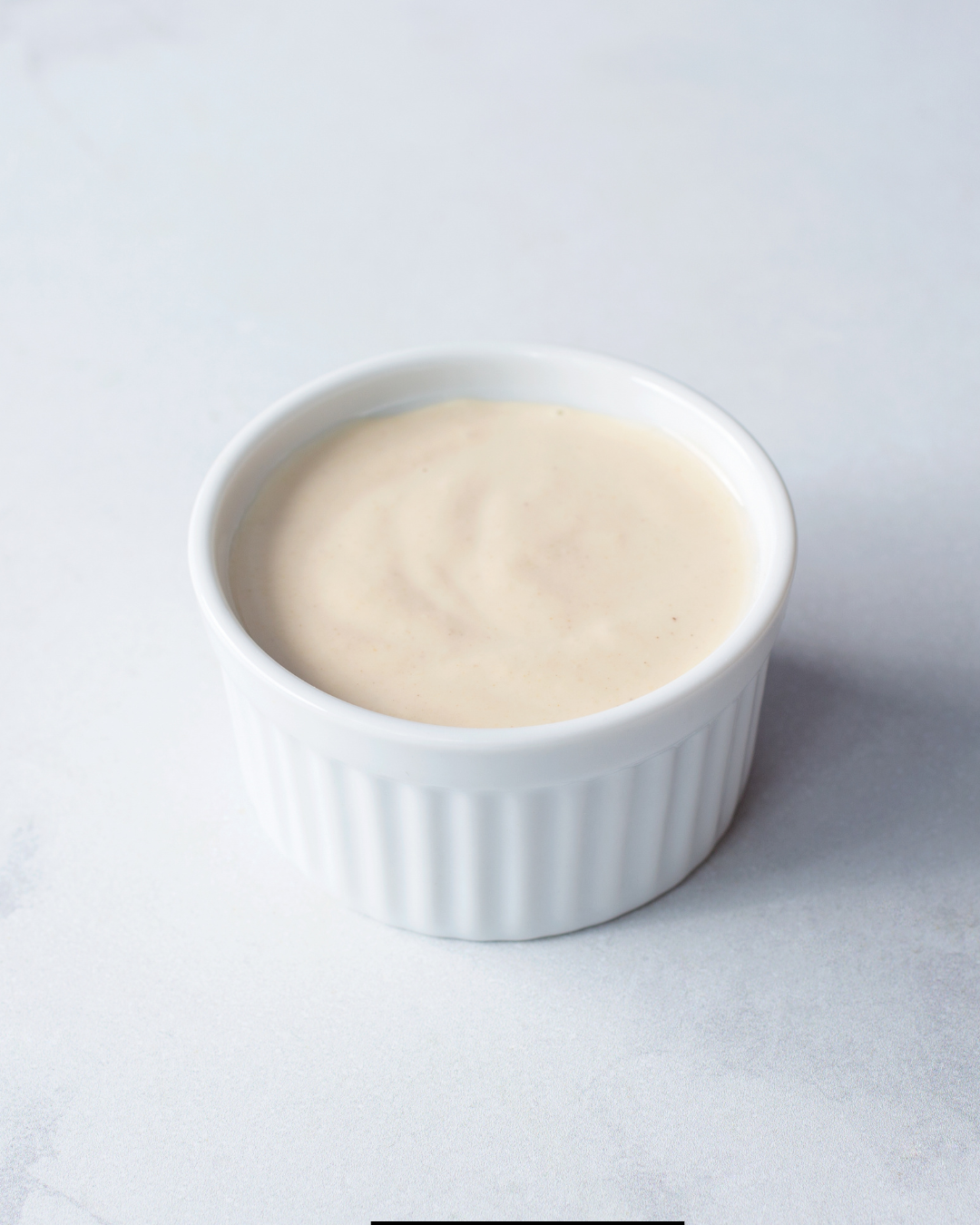
Tahini sauce is just that—creamy, nutty, tangy, and absolutely packed with flavor. It’s the kind of recipe I rely on when I want to turn humble roasted or raw veggies into a vibrant centerpiece on my table.
Table of Contents
How to make Tahini Sauce for Vegetables
Tahini sauce for vegetables is a creamy, nutty sauce made mainly from Tahini (ground sesame seeds). It’s usually mixed with simple ingredients like lemon juice, garlic, olive oil, water, and salt to create a smooth, pourable dressing.
Ingredients
- Tahini (½ cup)
- Fresh Lemon Juice (3-4 tablespoons)
- Garlic (1-2 cloves, minced or finely crushed)
- Water (3-6 tablespoons)
- Salt (½ teaspoon, or to taste)
Optional Add-Ins:
- Cumin (½ teaspoon): For a warm, earthy undertone.
- Olive Oil (1-2 teaspoons): For added richness, if desired.
- Parsley (optional, 1 tablespoon finely chopped): For a fresh, herby finish.
- Paprika or Chili Flakes: For a touch of spice.
Instructions
- In a medium-sized mixing bowl, add ½ cup of tahini paste. Stir the tahini well before using, as it tends to separate in the jar.
- Pour in 3-4 tablespoons of freshly squeezed lemon juice and add the minced or crushed garlic. At this stage, the mixture might seize and thicken, but don’t worry—that’s normal.
- Slowly add water, one tablespoon at a time, while whisking or stirring the mixture vigorously. The sauce will become smoother and creamier as you continue. Use 3-4 tablespoons for a thicker sauce or 5-6 tablespoons for a thinner, drizzle-worthy consistency. Adjust as needed.
- Sprinkle in ½ teaspoon of salt (or more to taste). If you’re adding optional ingredients like cumin or olive oil, this is the time to stir them in.
- Taste your sauce and adjust the seasoning. Add more lemon juice for tanginess, more garlic for boldness, or more water if you’d like it thinner.
- If serving right away, garnish your tahini sauce with a drizzle of olive oil, a sprinkle of paprika or chili flakes, and chopped parsley for a vibrant finish.
Tips for the Best Tahini Sauce
- Not all tahini is created equal. Look for tahini that’s smooth, creamy, and made from hulled sesame seeds. Avoid tahini that tastes overly bitter or gritty.
- Using lukewarm water can help the tahini blend more easily, especially if it’s very thick.
- If your tahini sauce looks clumpy or grainy at first, don’t panic! A good whisk or vigorous stir will smooth it out as you add water.
- Tahini sauce keeps well in an airtight container in the fridge for up to 5-7 days. It may thicken over time, so stir in a little water to loosen it before using.
- Feel free to customize your tahini sauce! Love herbs? Add a handful of chopped parsley or cilantro. Want heat? Add cayenne pepper or chili flakes. The possibilities are endless.
Ingredients Substitutes
Tahini sauce is traditionally made with tahini (sesame paste), lemon juice, garlic, water, and salt. However, you may not always have these ingredients on hand or might want to adjust the recipe to suit specific dietary needs, allergies, or taste preferences.
1. Tahini Substitutes
Tahini is the star ingredient of this sauce, but there are alternatives if you don’t have it or are looking for a substitute.
Substitutes for Tahini:
- Peanut Butter: Peanut butter is a common substitute because it has a similar creamy texture and nutty flavor. Use natural, unsweetened peanut butter for the best results. Keep in mind that it will have a more pronounced peanut flavor compared to sesame.
- Sunflower Seed Butter: This is an excellent nut-free option, especially for those with sesame or peanut allergies. Sunflower seed butter has a mild nutty flavor and works well as a tahini replacement.
- Almond Butter or Cashew Butter: These creamy nut butters can also be used in place of tahini. Cashew butter in particular has a neutral flavor that blends well with the other ingredients.
- Sesame Oil and Flour/Breadcrumbs Combo: If you want the sesame flavor but don’t have tahini, mix sesame oil with a thickener like almond flour, breadcrumbs, or even yogurt to mimic the consistency.
- Greek Yogurt (for a Creamier Twist): If you’re not tied to using a nutty alternative, unsweetened Greek yogurt can serve as a lighter substitute. It will taste tangier and creamier but still works wonderfully as a vegetable sauce.
2. Lemon Juice Substitutes
Lemon juice provides tanginess and acidity, which are essential flavor components in tahini sauce. If you don’t have lemons on hand, try these alternatives:
Substitutes for Lemon Juice:
- Lime Juice: Lime juice is a natural substitute and gives a fresh, citrusy flavor similar to lemon juice.
- Vinegar (Apple Cider or White Vinegar): Use 1-2 teaspoons of vinegar as a replacement for 1 tablespoon of lemon juice. This adds acidity, though it may be slightly less citrusy in taste.
- White Wine Vinegar: Another good alternative for a subtle tang, particularly if you want to avoid a stronger vinegar flavor.
- Orange Juice: In a pinch, freshly squeezed orange juice can work, but use it sparingly as it’s sweeter than lemon juice. You may want to add extra salt or a dash of vinegar to balance the sweetness.
3. Garlic Substitutes
Garlic adds a sharp, bold kick to tahini sauce. If you’re out of fresh garlic or prefer a milder flavor, here’s what you can use:
Substitutes for Garlic:
- Garlic Powder or Granules: Use ⅛ to ¼ teaspoon of garlic powder in place of 1 clove of fresh garlic. Start with a small amount and adjust to taste.
- Roasted Garlic Paste: If you have roasted garlic on hand, use it as a flavorful substitute. It will add a sweeter, mellow garlic undertone.
- Shallots or Onions (Minced): Very finely minced shallots or onions can mimic the pungency of garlic, though they’ll provide a slightly different flavor profile.
- Garlic-Infused Olive Oil: A drizzle of garlic-infused olive oil is an elegant solution, especially if you want a very subtle garlic flavor.
4. Water Substitutes
Water is used to thin the tahini sauce to your preferred consistency. While water is the most neutral choice, you can use other liquids for added flavor.
Substitutes for Water:
- Vegetable Stock or Broth: Use broth to add a savory depth to the sauce. Ensure your broth is mild in flavor to avoid overpowering the dish.
- Coconut Milk: For a creamier and slightly exotic spin, thin your tahini with coconut milk instead of water.
- Unsweetened Almond or Cashew Milk: Nut milk is a great alternative for thinning tahini sauce while keeping the texture creamy.
- Orange or Lime Juice Mix: A small amount of citrus juice mixed with water can give your sauce extra tang if you want to enhance the citrus notes.
5. Salt Substitutes
Salt adds balance and enhances the flavors of the tahini sauce. If you’re watching your salt intake or don’t have regular table salt, here are some suggestions:
Substitutes for Salt:
- Soy Sauce or Tamari: Adds saltiness with a hint of umami. Use this sparingly to avoid overwhelming the nutty tahini flavor.
- Seaweed Flakes (Dulse or Nori): If you want a low-sodium substitute with depth, sprinkle crumbled seaweed into your tahini sauce.
- Lemon Zest: Finely grated lemon zest can naturally amplify the flavor of the sauce without the need for salt.
- Miso Paste: A teaspoon of white or mild miso paste can add salty, umami notes to your tahini sauce.
Final Thoughts
This tahini sauce recipe is a game-changer when it comes to making vegetables more exciting! It’s healthy, versatile, and bursting with flavor.
More Sauce Recipes:
Ingredients
- Tahini (½ cup)
- Fresh Lemon Juice (3-4 tablespoons)
- Garlic (1-2 cloves, minced or finely crushed)
- Water (3-6 tablespoons)
- Salt (½ teaspoon, or to taste)
Optional Add-Ins:
- Cumin (½ teaspoon)
- Olive Oil (1-2 teaspoons)
- Parsley (optional, 1 tablespoon finely chopped)
- Paprika or Chili Flakes: For a touch of spice.
Instructions
- In a medium-sized mixing bowl, add ½ cup of tahini paste. Stir the tahini well before using, as it tends to separate in the jar.
- Pour in 3-4 tablespoons of freshly squeezed lemon juice and add the minced or crushed garlic. At this stage, the mixture might seize and thicken, but don't worry—that’s normal.
- Slowly add water, one tablespoon at a time, while whisking or stirring the mixture vigorously. The sauce will become smoother and creamier as you continue. Use 3-4 tablespoons for a thicker sauce or 5-6 tablespoons for a thinner, drizzle-worthy consistency. Adjust as needed.
- Sprinkle in ½ teaspoon of salt (or more to taste). If you're adding optional ingredients like cumin or olive oil, this is the time to stir them in.
- Taste your sauce and adjust the seasoning. Add more lemon juice for tanginess, more garlic for boldness, or more water if you’d like it thinner.
- If serving right away, garnish your tahini sauce