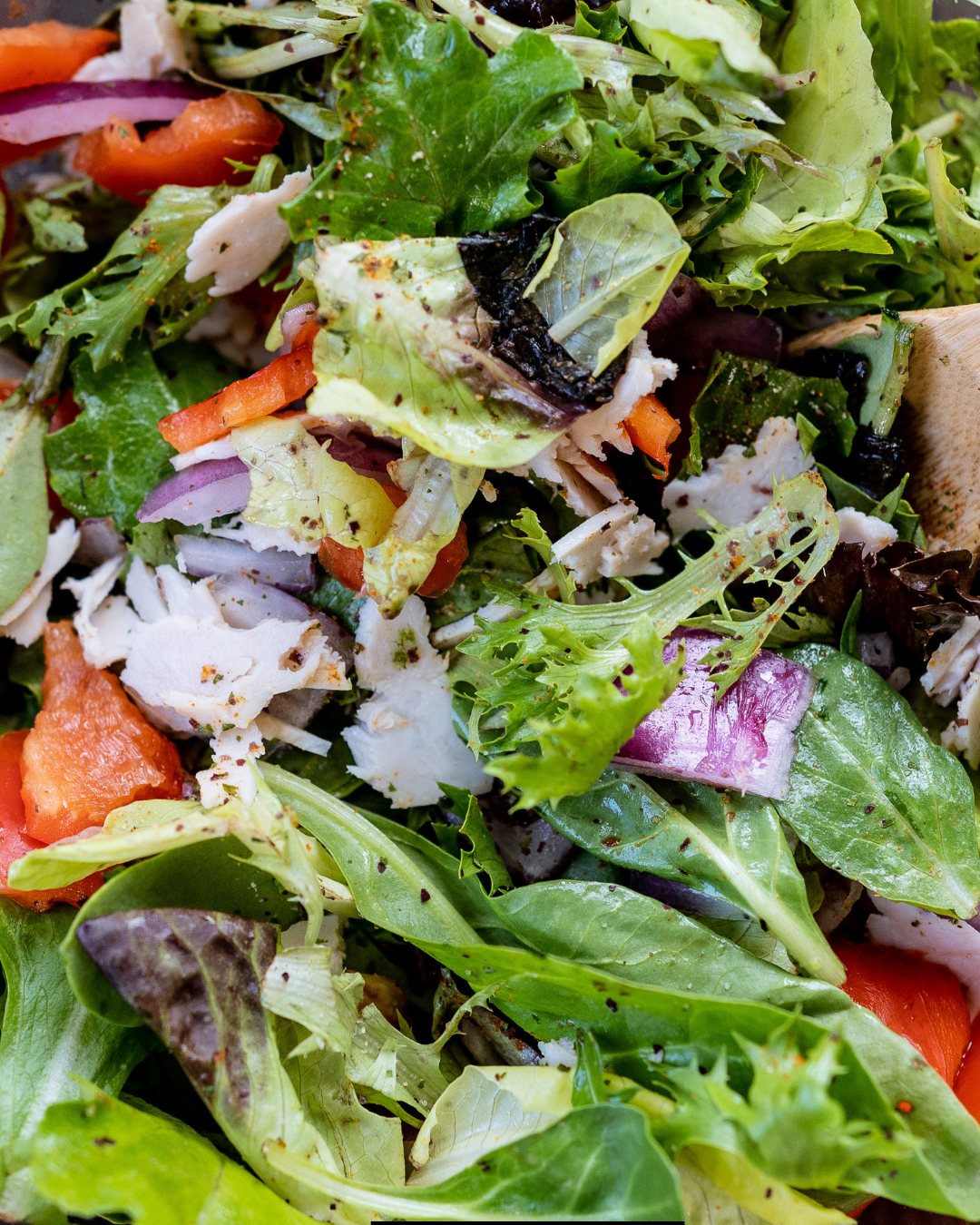
If there’s one salad that never gets old, it’s this one. I’ve made it in tiny apartment kitchens, thrown it together for last-minute dinner guests, and eaten it straight from the bowl standing at the counter — no shame whatsoever. This Greek Salad with Lettuce is the kind of recipe that belongs in your life, and once you make it, you’ll wonder how you ever ate salad any other way.
Table of Contents
How to make Greek Salad with Lettuce
Greek salad with lettuce is a fresh Mediterranean-style salad that combines crisp lettuce with classic Greek salad ingredients like tomatoes, cucumber, olives, feta cheese, and a simple olive oil dressing.
For the Salad:
- 1 large romaine lettuce, roughly chopped — romaine is the go-to here because it’s sturdy enough to hold up under the dressing and chunky toppings without going sad and soggy on you. Iceberg works too if that’s what you have.
- 2 large ripe tomatoes, cut into wedges — please, please use ripe ones. An underripe tomato in a Greek salad is a tragedy. You want them juicy and sweet.
- 1 cucumber, thickly sliced or chunked — English cucumber is ideal. Leave the skin on for colour and crunch.
- 1 green bell pepper, sliced into rings — this is very traditional and adds a lovely mild bitterness that balances the salty feta beautifully.
- ½ red onion, thinly sliced — sharp and punchy. Soak in cold water for 10 minutes first if raw onion tends to overpower everything for you.
- 100g kalamata olives — the briny, deeply flavoured backbone of this salad. Whole or pitted, whichever you prefer. Don’t swap these for regular black olives if you can avoid it — kalamata have a completely different depth of flavour.
- 200g feta cheese — buy the block, not the pre-crumbled stuff. A proper thick slab of feta sitting on top of this salad is a thing of beauty. Greek feta made from sheep’s milk is the gold standard if you can find it.
- Small handful of fresh parsley, roughly chopped — optional but lovely. Adds a fresh, herby brightness.
- Pepperoncini peppers — also optional but highly recommended. They add a mild tangy heat that works brilliantly with everything else in the bowl.
For the Greek Dressing:
- 4 tbsp good quality extra virgin olive oil — this is not the place to use the cheap stuff. The dressing is simple, so the olive oil carries a lot of the flavour. Use one you actually enjoy the taste of.
- 2 tbsp red wine vinegar — tangy, sharp, and very Greek. Don’t substitute with balsamic here — it’s too sweet and will completely change the character of the dressing.
- 1 tsp dried oregano — this is the ingredient that makes it taste unmistakably Greek. Rub it between your fingers before adding it to release the oils and intensify the flavour.
- 1 small garlic clove, minced or grated — just one. It’s background flavour, not the star.
- ½ tsp salt
- ¼ tsp black pepper
- Optional: pinch of sugar — just a tiny pinch to balance the acidity if your vinegar is particularly sharp.
Step by Step
- I always start with the dressing so the flavours have a few minutes to come together while I prep everything else. Add your olive oil, red wine vinegar, minced garlic, dried oregano, salt, and pepper into a small jar. Seal it and shake well, or whisk it together in a small bowl. Taste it — adjust the oil and vinegar ratio to your liking. Set it aside.
- Wash and dry your lettuce well — wet lettuce = watery salad, and nobody wants that. Roughly chop it into chunky pieces. Slice your tomatoes into wedges, chunk your cucumber, slice your bell pepper into rings, and thinly slice your red onion. If you’re soaking the onion in cold water, now’s the time to do that. Just pop it in a small bowl of cold water for 10 minutes, then drain and pat dry before using.
- Lay your chopped romaine lettuce into a large, wide salad bowl or onto a big serving platter. Scatter the tomato wedges, cucumber chunks, bell pepper rings, and red onion over the top. Don’t toss everything together yet — you want to see all those gorgeous colours layered on top of each other.
- Scatter your kalamata olives generously over the salad. If you’re using pepperoncini peppers, add those now too. At this point the bowl is already looking absolutely stunning.
- This is the moment. Place your block of feta right on top — either as one beautiful thick slab in the centre, or break it into large rustic chunks across the salad. Resist the urge to crumble it into tiny pieces. Big chunks of feta melt slightly into the dressing and give you those incredible salty, creamy bites throughout.
- Drizzle your dressing generously over everything — make sure you get some over the feta too. Finish with a final pinch of dried oregano rubbed between your fingers and scattered on top, a little fresh parsley if you’re using it, and a final drizzle of your best olive oil straight over the feta. Serve immediately.
Tips
- Use the ripest tomatoes you can find. This salad is only as good as its tomatoes. If yours are looking a little pale and sad, leave them on the counter at room temperature for a day or two before using. Never store tomatoes in the fridge — it kills their flavour and texture completely.
- Don’t overdress it. This salad doesn’t need to be swimming in dressing. A generous drizzle is enough — the tomatoes and cucumber release their own juices as the salad sits, which becomes part of the dressing naturally. Start with less and add more if needed.
- Buy block feta, always. Pre-crumbled feta is drier, less flavourful, and just not the same experience. A block of proper feta placed on top of the salad is both more visually impressive and more delicious. It’s worth the extra few minutes of effort.
- Let the dressing sit before using. Even just 5 minutes allows the garlic and oregano to infuse into the oil and vinegar. It makes a noticeable difference to the depth of flavour.
- Keep everything chunky. This is not a finely chopped salad. Big wedges of tomato, thick slices of cucumber, generous chunks of feta — the chunky texture is part of what makes a Greek salad so satisfying. Don’t overthink the knife skills here.
- Eat it fresh. This salad does not do well as leftovers once dressed. The lettuce wilts and the tomatoes go mushy. If you’re making it ahead, prep all the components separately, keep the dressing in a jar in the fridge, and assemble just before serving.
- Add the dressing at the table. If you’re serving this to guests or making it ahead, bring all the components to the table undressed and let people serve themselves. It stays fresher for longer and looks beautiful presented that way.
- Pair it right. This salad loves company. Serve it alongside warm pitta bread and hummus, grilled lamb chops, lemon herb chicken, or a simple bowl of tzatziki for dipping. It also works beautifully next to a cold glass of something crisp and white — just saying.
- Season generously at the end. After you’ve dressed the salad, taste a bit of everything together and adjust the seasoning. Sometimes it needs a little more salt, sometimes a tiny squeeze of fresh lemon juice to brighten everything up. Trust your palate.
Ingredients Substitutes
We’ve all been there — you’re halfway through prepping dinner and realise you’re missing something. Or maybe a particular ingredient is just wildly expensive at your local shop this week.
Romaine Lettuce Substitutes
- Iceberg lettuce — The most straightforward swap. It’s crisp, crunchy, and very mild in flavour. It won’t add anything particularly nutritious but it holds up well under the dressing and gives you that satisfying crunch. Great if romaine isn’t available.
- Cos lettuce — Almost identical to romaine in texture and flavour. Honestly a like-for-like swap — use it exactly the same way.
- Little gem lettuce — Smaller, sweeter, and slightly more tender than romaine. Use two or three heads instead of one large romaine. They look gorgeous halved and laid into the bowl too if you want to get a little fancy with the presentation.
- Spinach or baby spinach — Softer and more nutritious than romaine. It gives the Greek Salad a slightly different character — earthier and less crunchy — but it works really well if you prefer a more tender green base. Use baby spinach straight from the bag.
- Kale — Massage it first with a tiny drizzle of olive oil and a pinch of salt to soften those tough leaves and take away the bitterness. It stands up beautifully under heavy toppings and actually gets better as it sits, making it the best option if you’re meal prepping.
- Mixed salad leaves — A pre-washed bag of mixed leaves is a perfectly fine and very easy option. Just know it’s more delicate and will wilt faster once dressed, so eat it straight away.
Tomato Substitutes
- Cherry tomatoes — Halved cherry tomatoes are actually a brilliant swap and arguably even better than regular tomatoes in this Greek Salad. They tend to be sweeter and more consistently flavourful year-round, which makes them a reliable choice even when tomatoes aren’t in peak season.
- Sun-dried tomatoes — Intensely flavoured, chewy, and deeply savoury. Use them sparingly as they’re much more concentrated than fresh tomatoes. They add a completely different but genuinely delicious dimension to the Greek Salad.
- Roasted cherry tomatoes — If your fresh tomatoes are looking a little sad and flavourless, roast them. Toss them in olive oil, season with salt and pepper, and roast at 200°C for 15–20 minutes until they blister and caramelise. Completely transforms them.
- Jarred roasted red peppers — Not a tomato substitute in the traditional sense but they fill a similar role — sweet, soft, and colourful. Drain them well and slice them into strips.
Cucumber Substitutes
- Persian cucumbers — Smaller, slightly sweeter, and with thinner skin than regular cucumbers. Use two or three in place of one large English cucumber. Absolutely lovely in this salad.
- Courgette or zucchini — Thinly sliced raw courgette has a mild, fresh flavour that works surprisingly well. It adds a slightly different texture — less watery than cucumber — which can actually be a bonus if you don’t want a soggy salad.
- Celery — Crunchy, fresh, and with a mild bitterness that echoes the green pepper. Slice it thinly on a diagonal for the best texture. Not traditional at all but genuinely works.
- Fennel — Thinly sliced raw fennel is an interesting and elegant substitute. It has a mild anise flavour that pairs really beautifully with the olives and feta. Shave it as thinly as possible for the best result.
Green Bell Pepper Substitutes
- Red or yellow bell pepper — Sweeter and less bitter than green pepper. The salad loses a little of that traditional sharpness but gains a lovely sweetness. Also adds even more colour to an already vibrant bowl.
- Banana peppers — Mild, slightly tangy, and very similar in texture to pepperoncini. A great swap that keeps things in the same flavour neighbourhood.
- Celery — Adds that same crisp, slightly bitter quality that green pepper brings to the salad. Slice it thinly and nobody will feel like anything is missing.
- Skip it entirely — Honestly, if you don’t love bell pepper, leave it out. The salad has enough going on without it and won’t suffer for its absence.
Red Onion Substitutes
- Spring onions or scallions — Milder, sweeter, and much gentler than red onions. Slice them thinly — both the white and green parts — and scatter generously—a brilliant option if raw onion tends to dominate everything for you.
- Shallots — More delicate and slightly sweeter than red onions with a similar sharpness. Slice them very thinly for the best result.
- White onion — Works perfectly well, soak the slices in cold water for 10 minutes first to take that harsh raw edge off before adding to the salad.
- Pickled red onions — This is genuinely one of my favourite upgrades, not just a substitute. The tangy, vinegary bite they bring to the salad is incredible and ties in beautifully with the red wine vinegar dressing. If you have a jar in the fridge, use it without hesitation.
- Chives — Finely chopped chives scattered over the top give a very mild onion flavour without any of the sharpness. Great for anyone who finds onions overwhelming.
Kalamata Olive Substitutes
- Black olives — The most obvious swap and the easiest to find. They’re milder and less complex than kalamata but they still do the job. Go for ones packed in brine rather than oil for the closest flavour profile.
- Green olives — Sharper and slightly more bitter than kalamata. They change the flavour profile of the salad noticeably but in a good way — especially if you like a more assertive, briny bite.
- Castelvetrano olives — Buttery, mild, and bright green. They’re less intensely briny than kalamata which makes them a great option if you find kalamata a little too strong. Absolutely beautiful in this Greek Salad.
- Capers — Not olives at all obviously, but they bring that same punchy, briny saltiness that olives provide. Use them in smaller quantities — a tablespoon or two scattered over the top is plenty.
- No olives — If you genuinely can’t stand olives, leave them out and add a little extra salt to the dressing to compensate for the lost brininess. The salad will still be delicious.
Feta Cheese Substitutes
- Halloumi — Grill or pan-fry thick slices until golden on both sides, then lay them over the salad while still warm. It’s salty, squeaky, and absolutely wonderful. More of an upgrade than a substitute if we’re being honest.
- Goat’s cheese — Creamy, tangy, and crumbly. It has a slightly more earthy flavour than feta but works beautifully with the Mediterranean dressing and vegetables. Crumble it generously over the top.
- Ricotta salata — A firm, salted ricotta that’s very similar in texture to feta. Mild, slightly salty, and crumbles beautifully—a great option if you want something a little gentler than feta.
- Manchego — Harder and nuttier than feta, but shaved thinly over the Greek Salad, it adds a lovely salty, savoury quality. Not traditional but really good.
- Dairy-free feta — There are some genuinely good plant-based feta alternatives available now — look for ones made from an almond or coconut base. They crumble similarly to regular feta and work well in a Greek Salad like this.
- Avocado — A completely different direction but hear me out. Thick slices of creamy avocado replace the richness and creaminess that feta provides, especially if you’re keeping things dairy-free. Add a little extra salt to compensate for what you’re losing from the cheese.
Final Thoughts
This Greek Salad with Lettuce is the definition of effortless elegance — it looks like you’ve put in loads of effort when really it took you about 10 minutes and a sharp knife.
More Salad Recipes:
Ingredients
For the Salad:
- 1 large romaine lettuce, roughly chopped
- 2 large ripe tomatoes, cut into wedges
- 1 cucumber, thickly sliced or chunked
- 1 green bell pepper, sliced into rings
- ½ red onion, thinly sliced
- 100g kalamata olives
- 200g feta cheese
- Small handful of fresh parsley, roughly chopped
- Pepperoncini peppers
For the Greek Dressing:
- 4 tbsp good quality extra virgin olive oil
- 2 tbsp red wine vinegar
- 1 tsp dried oregano
- 1 small garlic clove, minced or grated
- ½ tsp salt
- ¼ tsp black pepper
- Optional: pinch of sugar
Instructions
- I always start with the dressing so the flavours have a few minutes to come together while I prep everything else. Add your olive oil, red wine vinegar, minced garlic, dried oregano, salt, and pepper into a small jar. Seal it and shake well, or whisk it together in a small bowl. Taste it — adjust the oil and vinegar ratio to your liking. Set it aside.
- Wash and dry your lettuce well — wet lettuce = watery salad, and nobody wants that. Roughly chop it into chunky pieces. Slice your tomatoes into wedges, chunk your cucumber, slice your bell pepper into rings, and thinly slice your red onion. If you're soaking the onion in cold water, now's the time to do that. Just pop it in a small bowl of cold water for 10 minutes, then drain and pat dry before using.
- Lay your chopped romaine lettuce into a large, wide salad bowl or onto a big serving platter. Scatter the tomato wedges, cucumber chunks, bell pepper rings, and red onion over the top. Don't toss everything together yet — you want to see all those gorgeous colours layered on top of each other.
- Scatter your kalamata olives generously over the salad. If you're using pepperoncini peppers, add those now too. At this point the bowl is already looking absolutely stunning.
- This is the moment. Place your block of feta right on top — either as one beautiful thick slab in the centre, or break it into large rustic chunks across the salad. Resist the urge to crumble it into tiny pieces. Big chunks of feta melt slightly into the dressing and give you those incredible salty, creamy bites throughout.
- Drizzle your dressing generously over everything — make sure you get some over the feta too. Finish with a final pinch of dried oregano rubbed between your fingers and scattered on top, a little