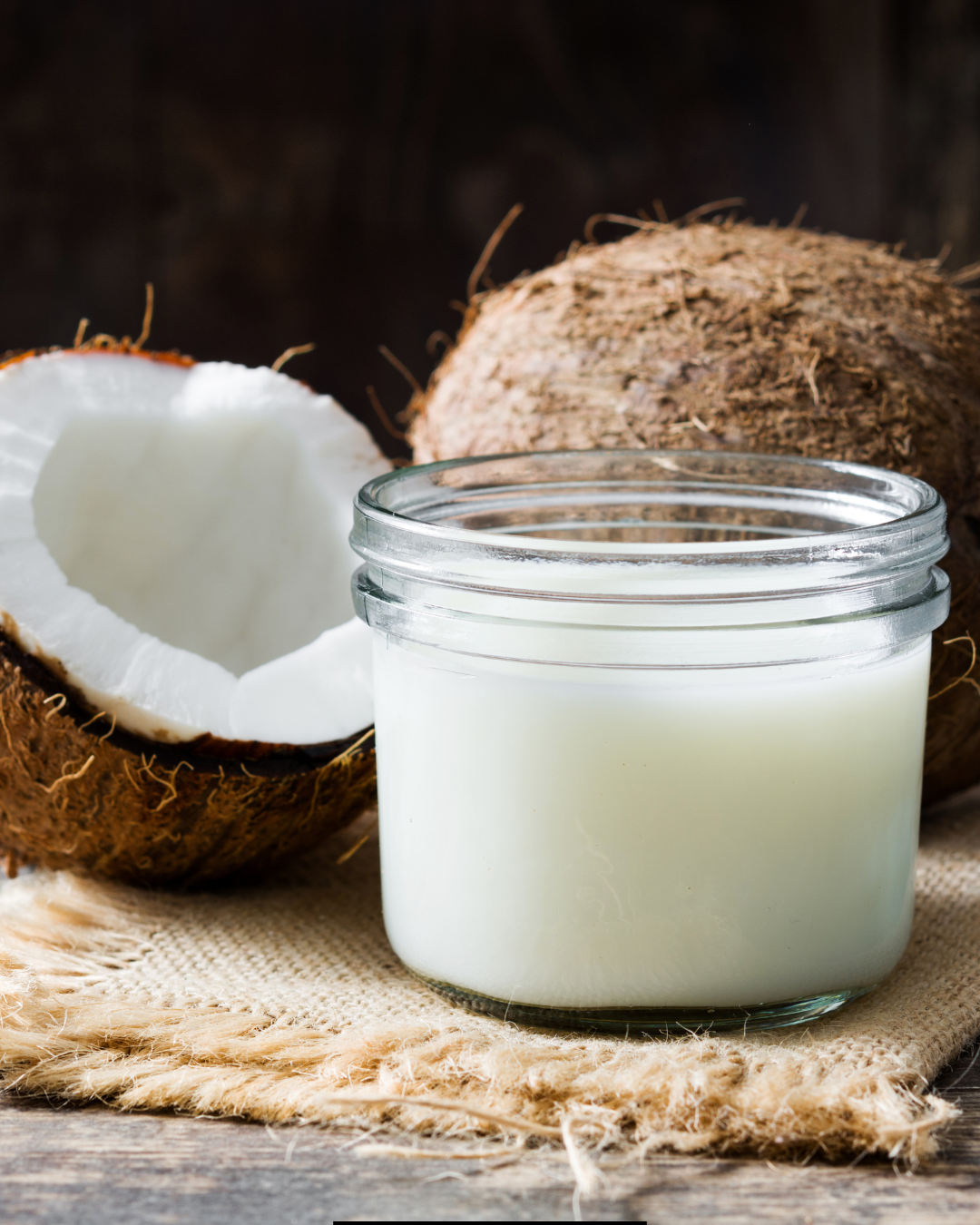
I remember the first time I tried making Coconut Milk– I was surprised by how simple the process was and, honestly, blown away by the fresh, nutty flavor it delivered. Plus, not only does it taste amazing, but it also makes your kitchen smell like you’re on a breezy tropical island.
Table of Contents
How to make Coconut Milk
Coconut milk is a creamy liquid made by blending the white flesh of a mature coconut with water and then straining it. It is commonly used in cooking, especially in Southeast Asian, Indian, Caribbean, and Pacific cuisines.
Ingredients
- 1 fresh mature coconut (or 2 cups of unsweetened shredded coconut, if you can’t find fresh coconut)
- 4 cups of water (adjustable based on your desired creaminess)
Tools You’ll Need
- A blender
- A fine mesh strainer, nut milk bag, or cheesecloth
- A sharp knife
- A bowl for collecting coconut water
- Grater (if using fresh coconut meat)
Instructions
1. Prepare the Coconut
For Fresh Coconut:
- Start by cracking open the coconut. You can do this with a hammer or the blunt side of a heavy knife. (Be cautious during this step!)
- Save the coconut water in a separate bowl as it can later be consumed or added to your milk for extra flavor.
- Use a spoon or a butter knife to pry the white coconut flesh from the hard shell.
- Rinse the coconut flesh to remove any bits of shell.
- Grate the coconut flesh using a box grater or food processor.
For Shredded Coconut:
- Measure out 2 cups of unsweetened shredded coconut.
2. Blend the Coconut
- Add the grated (or shredded) coconut to a blender.
- Pour in 4 cups of warm water. Warm water helps extract the milk more effectively.
3. Blend Until Smooth
- Blend the mixture on high speed for 2-3 minutes, until the coconut is well-pulverized, and the liquid turns white and creamy.
4. Strain the Milk
- Place a nut milk bag, cheesecloth, or fine mesh strainer over a large bowl or container. Slowly pour the blended coconut mixture into the strainer.
- Use your hands (or a spoon) to press and squeeze out as much liquid as possible. If using a cheesecloth or nut milk bag, gather the edges and twist tightly to wring out the milk.
- Set aside the leftover pulp.
5. Store or Use the Coconut Milk
- Pour the fresh coconut milk into a clean jar or airtight container.
- Store it in the refrigerator and use it within 3-4 days. Since homemade coconut milk has no preservatives, it will separate quickly – shake the jar before use.
Tips for Making the Perfect Coconut Milk
- Water-to-Coconut Ratio: For a thicker, creamier milk, reduce the amount of water. For a lighter milk (similar to store-bought “light” coconut milk), increase the water.
- Don’t Waste the Coconut Pulp: The leftover coconut pulp can be dried in the oven at a low temperature until it becomes coconut flour, which you can use in baking or smoothies.
- Warm Water Only: Make sure the water you use is warm, but not boiling. This helps extract the milk without “cooking” the coconut.
- Straining Tips: If you want super-smooth milk, strain it twice or even three times through a finer strainer.
- Optional Flavoring: You can add a touch of vanilla extract, cinnamon, or even a pinch of salt to flavor your milk, especially if you’re using it in desserts.
What to serve with
Coconut milk is one of the most versatile ingredients in the culinary world, thanks to its creamy texture, rich flavor, and adaptability to both savory and sweet dishes.
1. Coconut Milk Curries
Coconut milk is a staple in many curries, acting as the creamy base that carries bold, spicy flavors while balancing them with a hint of sweetness.
What to Pair With Coconut Milk Curries:
- Fluffy basmati or jasmine rice
- Flatbreads like naan, roti, or chapati
- Light cucumber salads or pickled vegetables for a fresh contrast
Examples:
- Thai Green Curry with Chicken or Tofu
- Indian Vegetable Korma
- Caribbean Coconut Curry with Shrimp
2. Soups and Stews
Coconut milk adds a rich, velvety texture to soups and stews, especially in tropical or Asian-inspired recipes.
Soups to Make:
- Thai Tom Kha Gai (Chicken Coconut Soup)
- Butternut Squash Coconut Soup
- Laksa (a spicy noodle soup from Southeast Asia)
Ideal Pairings:
- Crusty bread or garlic bread for dipping
- Simple noodles or rice for heartiness
- Fresh herbs like cilantro, basil, or mint for garnish
3. Steamed or Grilled Seafood
Coconut milk pairs beautifully with the natural sweetness of seafood, enhancing the flavors with a creamy, tropical depth.
Seafood + Coconut Milk Ideas:
- Coconut milk poached salmon or cod
- Thai-style coconut shrimp with lemongrass
- Crab curry with coconut and fresh lime
What to Serve With It:
- A light citrusy salad
- Steamed vegetables or stir-fried greens
- Coconut rice for a double dose of flavor
Ingredients Substitutes
While coconut milk provides unique creaminess and flavor, there may be situations where you can’t find fresh coconuts or shredded coconut—or you prefer an alternative.
1. Substitute for Fresh Coconuts
If you don’t have access to fresh mature coconuts, you can use other sources of coconut or alternatives. Here’s what works:
Unsweetened Shredded or Desiccated Coconut
How to Use: Replace fresh coconuts with 2 cups of unsweetened shredded or desiccated coconut. Adjust the water-to-coconut ratio depending on how creamy you want your milk to be.
Why It Works: Shredded coconut retains the oils and flavor needed to create coconut milk. Look for unsweetened versions to avoid altering the taste of the milk.
Coconut Cream as a Base
How to Use: Mix 2-4 tablespoons of canned coconut cream with 1 cup of warm water to create a quick version of coconut milk.
Why It Works: Coconut cream is a thicker, richer derivative of coconut milk, and it can be diluted to mimic fresh coconut milk.
Coconut Flour
How to Use: Blend 1/4 cup of coconut flour with 2 cups of warm water, then strain through a cheesecloth or nut milk bag.
Why It Works: Coconut flour has a concentrated coconut flavor, but milk from coconut flour is thinner and can be less creamy. This is best for light dishes and beverages.
2. Substitutes for Water
In the original coconut milk recipe, water is used to extract the cream and flavor from the coconut flesh. If you want to explore alternative liquids for added richness or flavor, you can use:
Nut Milk
What Works: Almond milk, cashew milk, or oat milk.
How to Use: Blend 2 cups of nut milk with shredded coconut instead of using plain water. This adds a slightly nutty flavor and extra creaminess.
Why It Works: Nut milk enhances the richness while preserving the dairy-free quality of coconut milk.
Vegetable Broth
What Works: Vegetable stock or broth (best for savory recipes like curries or soups).
How to Use: Mix shredded coconut with 2 cups of warm vegetable broth to create a base for soups or curries.
Why It Works: It adds depth and seasoning to dishes, making the coconut milk base more flavorful.
Coconut Water
How to Use: Replace plain water with pure coconut water during blending.
Why It Works: Coconut water naturally carries a light sweetness and coconut flavor, enhancing the milk’s tropical profile.
3. Alternatives for Coconut Ingredients
For those who are allergic to coconut or prefer non-coconut substitutes, try the following plant-based alternatives to mimic the texture and feel of coconut milk:
Cashews (Creamy Substitute)
How to Use: Soak 1 cup of raw cashews in warm water for at least 4 hours, then blend with 2 cups of water until smooth. Strain it if necessary for a creamier texture.
Flavor Profile: Cashew milk is creamy and neutral, making it suitable for sweet and savory recipes.
Final Thoughts
Homemade coconut milk is free from additives, preservatives, or thickeners commonly found in store-bought versions. Plus, you control the ingredients and adjust the texture to suit your needs.
More Drink Recipes:
Ingredients
- 1 fresh mature coconut
- 4 cups of water
Instructions
1. Prepare the Coconut
For Fresh Coconut:
- Start by cracking open the coconut. You can do this with a hammer or the blunt side of a heavy knife. (Be cautious during this step!)
- Save the coconut water in a separate bowl as it can later be consumed or added to your milk for extra flavor.
- Use a spoon or a butter knife to pry the white coconut flesh from the hard shell.
- Rinse the coconut flesh to remove any bits of shell.
- Grate the coconut flesh using a box grater or food processor.
For Shredded Coconut:
- Measure out 2 cups of unsweetened shredded coconut.
2. Blend the Coconut
- Add the grated (or shredded) coconut to a blender.
- Pour in 4 cups of warm water. Warm water helps extract the milk more effectively.
3. Blend Until Smooth
- Blend the mixture on high speed for 2-3 minutes, until the coconut is well-pulverized, and the liquid turns white and creamy.
4. Strain the Milk
- Place a nut milk bag, cheesecloth, or fine mesh strainer over a large bowl or container. Slowly pour the blended coconut mixture into the strainer.
- Use your hands (or a spoon) to press and squeeze out as much liquid as possible. If using a cheesecloth or nut milk bag, gather the edges and twist tightly to wring out the milk.
- Set aside the leftover pulp.
5. Store or Use the Coconut Milk
- Pour the fresh coconut milk into a clean jar or airtight container.
- Store it in the refrigerator and use it within 3-4 days. Since homemade coconut milk has no preservatives, it will separate quickly – shake the jar before use.