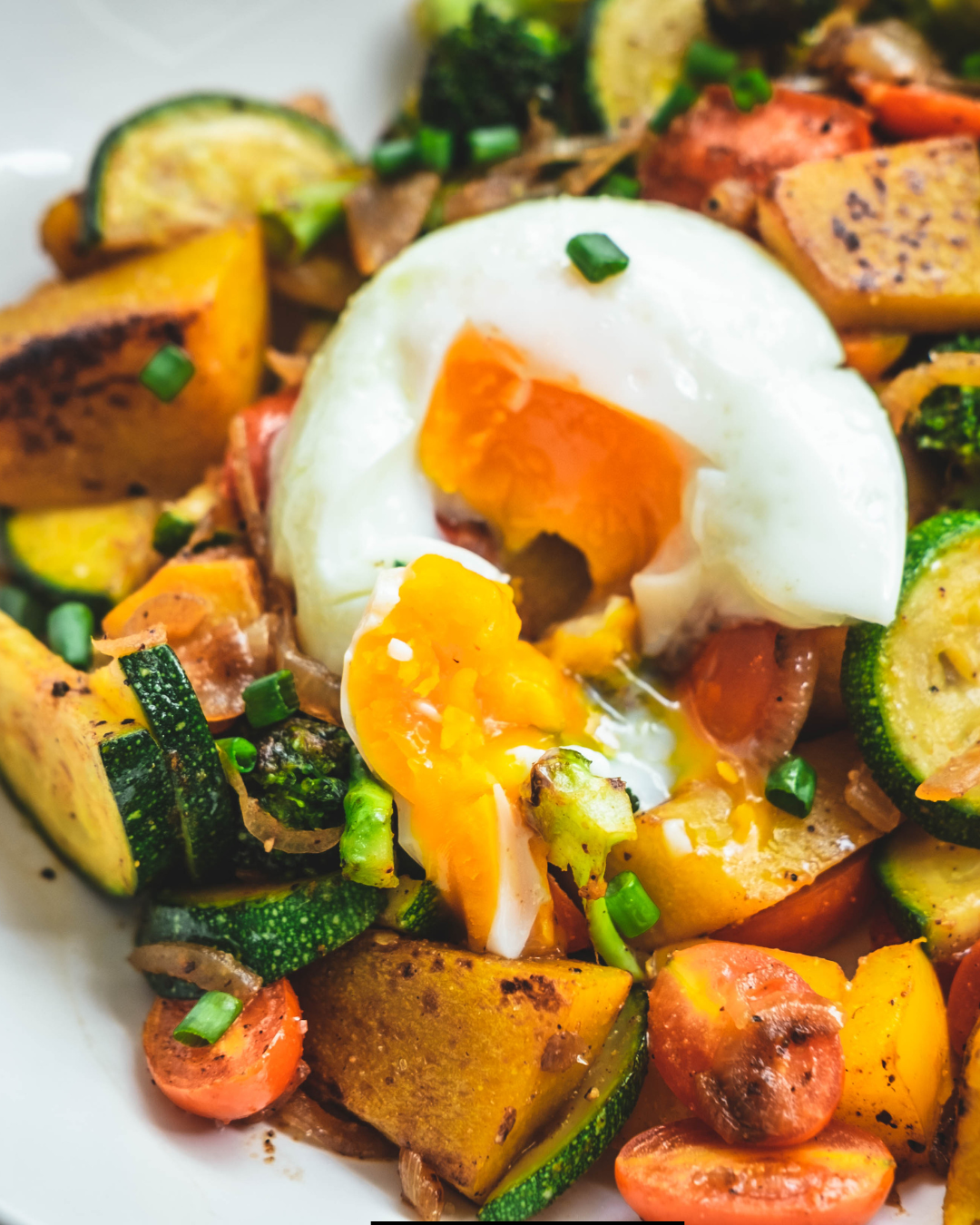
There’s something undeniably magical about roasted vegetables—the way they caramelize, develop rich flavors, and fill your kitchen with an irresistible aroma. If you’ve been craving a cozy, wholesome meal that’s as vibrant as it is nourishing, let me introduce you to my favorite Roasted Veggie Bowl recipe.
Table of Contents
How to make a Roasted Veggie Bowl
A Roasted Veggie Bowl is basically a hearty, colorful meal made by piling up oven-roasted vegetables in a bowl and often pairing them with a base like grains, greens, or both.
Ingredients
1. Base (Choose One or Combine):
- Grains: 1 cup cooked quinoa, rice, couscous, or farro
- Greens: A handful of spinach, kale, arugula, or mixed greens
- Starch: Roasted sweet potatoes, mashed butternut squash, or even roasted baby potatoes
2. Vegetables:
Pick your favorites, or use these as a starting point:
- 1 cup broccoli florets
- 1 cup cauliflower florets
- 1 zucchini, sliced
- 1 red bell pepper, sliced
- 2 carrots, sliced into thin sticks
- 1 red onion, thickly sliced
- 5-6 cherry tomatoes (optional, for a burst of sweetness)
3. Seasonings for Veggies:
- 2-3 tablespoons olive oil
- 1 teaspoon salt
- ½ teaspoon black pepper
- 1 teaspoon garlic powder
- ½ teaspoon smoked paprika (or chili powder for spice)
- Optional: A pinch of cumin or dried rosemary
4. Protein Options (Optional):
- Plant-based: 1 cup roasted chickpeas or tofu, seasoned and baked
- Animal-based: Grilled chicken breast, salmon, or a fried egg
5. Sauce/Dressing:
Choose one or mix and match depending on your preference:
- 2 tablespoons tahini with lemon juice and garlic (tahini dressing)
- Classic balsamic glaze or vinaigrette
- Peanut sauce for an Asian-inspired twist
- Hummus or tzatziki for creaminess
6. Garnishes:
- Fresh herbs (parsley, cilantro, dill, or basil)
- Seeds or nuts (pumpkin seeds, sunflower seeds, sesame seeds, or crushed walnuts)
- Avocado slices
- Optional cheese: Feta, goat cheese, or nutritional yeast for a vegan alternative
Instructions
- Preheat your oven to 400°F (200°C).
- Wash and chop all your vegetables—try to keep the sizes relatively similar for even roasting.
- In a large mixing bowl, toss the chopped veggies with olive oil, salt, and your chosen spices (garlic powder, smoked paprika, etc.).
- Spread the vegetables evenly on a parchment-lined baking sheet. Avoid overcrowding—the veggies need space to roast and caramelize.
- Roast for 20-30 minutes, flipping everything halfway through. Watch for golden edges and tender textures to indicate they’re done.
- While the veggies are roasting, prepare your base. Cook grains like quinoa or rice according to their package instructions, or rinse your greens if you’re using fresh lettuce or spinach.
- If adding tofu, chickpeas, or meat, roast or pan-fry them with oil and seasonings of your choice. For baked tofu, toss cubes in soy sauce, sesame oil, and garlic powder, then bake for 20 minutes at 400°F.
- Whip up your favorite sauce or dressing—mix tahini with lemon juice, garlic, and a touch of water for a creamy drizzle or go even simpler with balsamic glaze or olive oil.
- Begin with your base layer (grains or greens).
- Add the roasted veggies on top.
- Include your protein, drizzle with sauce, and finish with garnishes like fresh herbs, seeds, or avocado slices.
- Your vibrant roasted veggie bowl is ready to be enjoyed immediately! Serve warm or cold—it’s all up to you.
Tips for the Perfect Roasted Veggie Bowl
- Customize Your Veggies: Feel free to swap in seasonal vegetables. For summer, try zucchini and eggplant; in winter, roasted squash or parsnips are amazing.
- Spacing is Key: Don’t overcrowd the baking sheet. Overlapping veggies tend to steam instead of roasting, which won’t give you that crispy texture.
- Mix Up Textures: Combine roasted veggies with raw elements like arugula or cucumber for added crunch.
- Batch Roasting: Roast large quantities of veggies ahead—store extras in the fridge and use them throughout the week. Perfect for meal prep!
- Play with Layers: Arrange the bowl like a rainbow, layering colorful ingredients. Visual appeal makes the dish even more tempting!
- Experiment with Sauces: Switch it up by using different flavor profiles—try sriracha mayo for heat or miso dressing for umami.
- Protein Variety: Rotate proteins for new flavors—chickpeas one day, grilled chicken the next, or even a poached egg for breakfast vibes.
What to serve with
A Roasted Veggie Bowl is incredibly versatile and satisfying on its own, but pairing it with complimentary sides, drinks, or add-ons can elevate your meal experience.
1. Add a Side of Bread or Flatbread
Pairing your bowl with fresh bread adds heartiness and allows you to scoop up those yummy sauces! Here are some options:
- Pita Bread: Perfect for pairing with hummus if you’ve drizzled it in the bowl.
- Garlic Bread: Warm, buttery garlic bread adds a comforting touch to the meal.
- Naan or Flatbread: For a Mediterranean or Middle Eastern-inspired twist, naan works great with tahini or yogurt-based swirls.
2. Soups for a Cozy Combo
A bowl of soup alongside your roasted veggie bowl works well for colder days or those seeking extra comfort.
- Tomato Soup: A creamy or spicy tomato soup complements the caramelized veggies beautifully.
- Lentil Soup: Protein-packed lentil soup marries well with grains and roasted vegetables.
- Miso Soup: If your bowl leans Asian-inspired (with peanut sauce, sesame oil, etc.), a light miso soup adds a perfect contrast.
Ingredients Substitutes
Making a Roasted Veggie Bowl is all about flexibility! Whether you’re accommodating dietary restrictions, using up ingredients from your pantry, or simply craving new flavors, substitutions can help you craft the perfect bowl every time.
1. Base Substitutes
The base of your bowl provides structure and can range from grains to greens to hearty starches.
Grains Alternatives:
- Replace Quinoa: Couscous, farro, bulgur wheat, or brown rice can be swapped for quinoa. For gluten-free options, try millet or cauliflower rice.
- Replace Rice: Substitute with barley, buckwheat, or even wild rice for a nuttier flavor.
Leafy Greens Alternatives:
- Replace Spinach or Kale: Use arugula, mixed greens, Swiss chard, or romaine for sturdier greens, collard greens or shredded cabbage work well.
- Replace Fresh Greens Entirely: If leafy greens aren’t available, try a bed of roasted sweet potatoes or mashed butternut squash.
2. Veggies Substitutes
Roasted vegetables are the star of the dish, and there’s no shortage of substitutions based on availability, preference, or seasonality.
Root Vegetables:
- Replace Sweet Potatoes: Use regular potatoes, carrots, parsnips, or turnips.
- Replace Carrots: Try parsnips, radishes, or cubed squash for a similarly sweet tone.
Cruciferous Vegetables:
- Replace Broccoli or Cauliflower: Substitute with Brussels sprouts, cabbage wedges, or Romanesco cauliflower.
- Replace Brussels Sprouts: Use shredded kale or collard greens (roasted until crispy).
Other Veggies:
- Replace Zucchini: Yellow squash, eggplant, or cucumber can offer similar textures.
- Replace Bell Peppers: Anaheim peppers, poblano peppers, or roasted cherry tomatoes work as alternatives.
- Replace Mushrooms: Use roasted eggplant chunks for an earthy flavor or add thin slices of artichoke hearts.
Seasonal Veggies:
If certain vegetables aren’t in season, choose vegetables that roast well:
- In summer, use zucchini, eggplant, or cherry tomatoes.
- In the fall, opt for butternut squash, acorn squash, or pumpkin.
- In spring, try asparagus or radishes.
3. Protein Substitutes (Optional)
Adding protein to the bowl makes it more satisfying, and there are countless ways to adjust.
Plant-Based Proteins:
- Replace Chickpeas: Use black beans, kidney beans, cannellini beans, or roasted edamame.
- Replace Tofu: Swap it for tempeh, seitan, or marinated mushrooms for a similarly hearty feel.
- Replace Lentils: Use cooked quinoa, wild rice, or split peas for protein-rich, plant-based alternatives.
Animal-Based Proteins:
- Replace Chicken: Use baked turkey breast, grilled shrimp, or even sliced steak.
- Replace Salmon or Fish: Try grilled cod, tilapia, or trout for a similar mild flavor.
- Replace Eggs: Substitute with shredded chicken, roasted chickpeas, or canned tuna.
Final Thoughts
Making a Roasted Veggie Bowl is more than just a meal; it’s an invitation to unleash your creativity in the kitchen.
More Recipes:
Ingredients
1. Base (Choose One or Combine):
- Grains: 1 cup cooked quinoa, rice, couscous, or farro
- Greens: A handful of spinach
- Starch: Roasted sweet potatoes
2. Vegetables:
Pick your favorites:
- 1 cup broccoli florets
- 1 cup cauliflower florets
- 1 zucchini, sliced
- 1 red bell pepper, sliced
- 2 carrots, sliced into thin sticks
- 1 red onion, thickly sliced
- 5-6 cherry tomatoes
3. Seasonings for Veggies:
- 2-3 tablespoons olive oil
- 1 teaspoon salt
- ½ teaspoon black pepper
- 1 teaspoon garlic powder
- ½ teaspoon smoked paprika
- Optional: A pinch of cumin
4. Protein Options (Optional):
- Plant-based: 1 cup roasted chickpeas
- Animal-based: Grilled chicken breast
5. Sauce/Dressing:
Choose one or mix and match depending on your preference:
- 2 tablespoons tahini with lemon juice and garlic (tahini dressing)
- Classic balsamic glaze or vinaigrette
- Peanut sauce for an Asian-inspired twist
- Hummus or tzatziki for creaminess
6. Garnishes:
- Fresh herbs (parsley, cilantro, dill, or basil)
- Seeds or nuts
- Avocado slices
- Optional cheese: Feta
Instructions
- Preheat your oven to 400°F (200°C).
- Wash and chop all your vegetables—try to keep the sizes relatively similar for even roasting.
- In a large mixing bowl, toss the chopped veggies with olive oil, salt, and your chosen spices (garlic powder, smoked paprika, etc.).
- Spread the vegetables evenly on a parchment-lined baking sheet. Avoid overcrowding—the veggies need space to roast and caramelize.
- Roast for 20-30 minutes, flipping everything halfway through. Watch for golden edges and tender textures to indicate they’re done.
- While the veggies are roasting, prepare your base. Cook grains like quinoa or rice according to their package instructions, or rinse your greens if you're using fresh lettuce or spinach.
- If adding tofu, chickpeas, or meat, roast or pan-fry them with oil and seasonings of your choice. For baked tofu, toss cubes in soy sauce, sesame oil, and garlic powder, then bake for 20 minutes at 400°F.
- Whip up your favorite sauce or dressing—mix tahini with lemon juice, garlic, and a touch of water for a creamy drizzle or go even simpler with balsamic glaze or olive oil.
- Begin with your base layer (grains or greens).
- Add the roasted veggies on top.
- Include your protein, drizzle with sauce, and finish with garnishes like fresh herbs, seeds, or avocado slices.
- Your vibrant roasted veggie bowl is ready to be enjoyed immediately! Serve warm or cold—it’s all up to you.