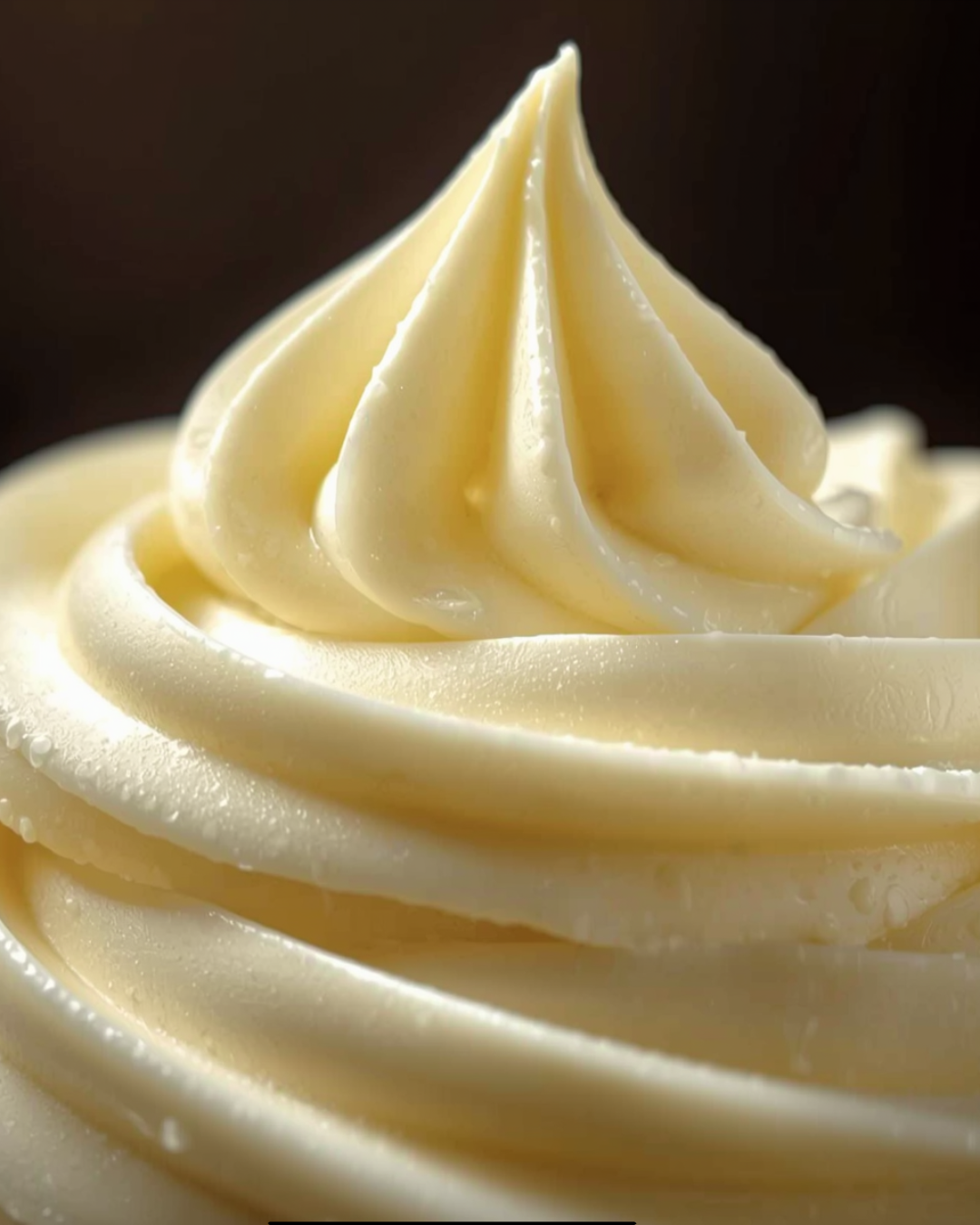
When it comes to baking perfection, who better to turn to than Mary Berry, the queen of cakes and all things delightful? I’ve always found creating a proper Mary Berry’s Butter Icing for Victoria Sponge to be a magical process. It’s not just about mixing butter and sugar—it’s about finding that perfect balance of creaminess, sweetness, and texture.
Table of Contents
How to make Mary Berry’s Butter Icing for Victoria Sponge
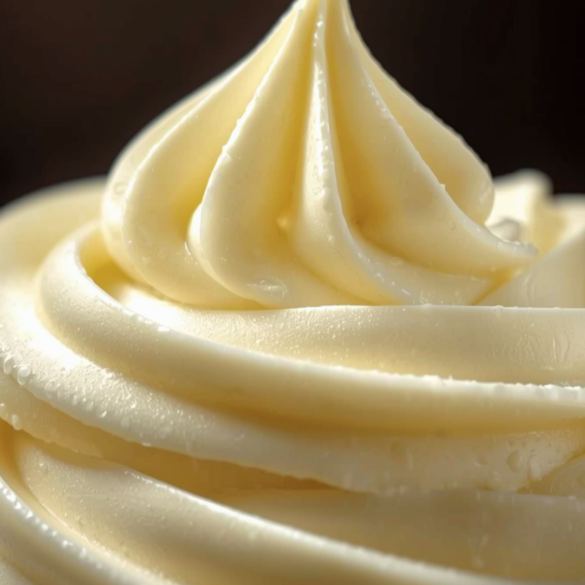
Mary Berry’s Butter Icing for Victoria Sponge is a classic, simple buttercream filling used in a traditional Victoria Sponge Cake, popularized by Mary Berry.
Ingredients
To make enough Mary Berry’s Butter Icing to generously fill and decorate a 20cm (8-inch) Victoria sponge, you’ll need the following:
- 100g (4oz) unsalted butter (softened to room temperature)
- 200g (8oz) icing sugar, sifted
- 1-2 tablespoons of milk (optional, for adjusting consistency
- ½ teaspoon vanilla extract (optional, for added flavour)
Instructions
1. Prepare the Butter: Start by placing the softened butter into a large mixing bowl. Use an electric hand whisk (or a wooden spoon if mixing by hand) to beat the butter until it becomes light, creamy, and pale in colour. This step is crucial for achieving a fluffy texture.
2. Add the Icing Sugar Gradually: Sift the icing sugar to remove any lumps. Gradually add it to the butter, one-third at a time, mixing thoroughly after each addition. Be careful to keep the whisk speed on a low setting initially to avoid clouds of icing sugar escaping from the bowl!
3. Check the Consistency: Once the icing sugar and butter are fully combined, check the texture and thickness of the icing. It should be smooth, creamy, and easy to spread. If it feels too thick or stiff, add milk—just a teaspoon at a time—until the desired consistency is reached.
4. Add Vanilla Extract (Optional): If using, stir in the vanilla extract. This is an optional step, but it adds a lovely, subtle flavour that pairs beautifully with a classic Victoria sponge.
Tips for the Best Butter Icing
- Use Room-Temperature Ingredients: Softened butter is much easier to whip, so take it out of the fridge at least 30 minutes to an hour before starting.
- Sift the Icing Sugar: Don’t skip this step! Lump-free icing sugar is key to achieving a silky texture.
- Adjust Gradually: When adding milk, start with a small amount and slowly build—it’s easier to loosen the icing than to thicken it again.
- Avoid Overbeating: While it’s important to mix thoroughly, avoid over-whipping, as this can make the butter icing too soft and airy, causing it to slide when sandwiched between the sponge layers.
- Chill if Necessary: If your icing becomes too soft and hard to work with, pop it into the fridge for 10-15 minutes to firm up slightly before spreading.
Ingredients Substitutes
Mary Berry’s butter icing recipe is straightforward and uses simple ingredients. However, there are times when you may need to swap out certain components due to dietary preferences, availability, or to experiment with flavour profiles.
Substitutes for Unsalted Butter
Unsalted butter is the base of butter icing, lending creaminess and structure. If you don’t have it or need an alternative, here are options:
- Salted Butter: Substitute 1:1, but omit any added salt from your cake or icing recipe, since salted butter already contains salt.
- Plant-Based Butter/Margarine: Ideal for those who require a dairy-free option or are vegan. Use a high-quality plant-based margarine or vegan butter substitute for the best results.
- Coconut Oil: Use solid coconut oil (at room temperature) as a 1:1 substitute for butter. It will give the icing a mild coconut flavour, which pairs well with jam.
- Cream Cheese: While not a true butter substitute, cream cheese can work in butter icing to add a tangy twist. Use half butter and half cream cheese (or entirely cream cheese if preferred).
Substitutes for Icing Sugar
Icing sugar is critical for providing sweetness and a smooth texture. However, if you’re short on it or are looking for alternatives, consider:
- Granulated Sugar: Although not ideal due to its coarser texture, granulated sugar can be blended in a food processor to create a finer powder.
- Caster Sugar: This works better than granulated sugar because of its finer texture, but you’ll need to blitz it into a powder for smooth icing.
- Coconut Sugar: For a more natural option or a slightly caramel-flavoured icing, coconut sugar can replace icing sugar. However, you must grind it into a fine powder first.
- Sugar-Free Sweeteners: For a sugar-free icing, use powdered erythritol, stevia, or a blend of sugar-free sweeteners. These mimic the texture of icing sugar and are perfect for dietary restrictions.
Substitutes for Milk
Milk is often added to butter icing to adjust the consistency. Here are substitutes:
- Plant-Based Milk: Use almond, soy, oat, or coconut milk for a dairy-free alternative. Begin with small amounts so you don’t thin the icing too much.
- Heavy Cream or Double Cream: For richer icing, use double cream instead of milk. Add carefully, as it’s thicker and can make the icing overly dense.
- Fruit Juices: For a creative twist, try adding orange or lemon juice instead of milk. The citrus complements the fruity flavour of the jam in a Victoria sponge.
- Water: In a pinch, water works as a universal substitute. Add sparingly, as it lacks the creaminess of milk.
Substitutes for Vanilla Extract
Vanilla extract is optional but adds depth of flavour. If you don’t have it or want to experiment, try:
- Other Extracts: Almond, lemon, orange, or coconut extracts can all be used for unique flavour twists. Add gradually (start with ¼ teaspoon), as these are often stronger than vanilla.
- Brandy or Rum: A tiny splash of brandy or rum can add warmth and depth to the butter icing. Perfect for festive cakes!
- Fresh Vanilla Bean: Scrape the seeds from one vanilla pod and incorporate them into the icing for a luxurious, aromatic flavour.
- Flavoured Syrups: Use syrups like caramel, hazelnut, or maple syrup for a subtle, unique sweetness.
Final Thoughts
With this foolproof Mary Berry’s Butter Icing for Victoria Sponge, your Victoria sponge will be a showstopper worthy of any British afternoon tea. Give it a go, and let the compliments roll in!
More Mary Berry’s Recipes:
- Copycat Mary Berry’s Coffee and Walnut Cake Recipe
- Copycat Mary Berry’s Parsnip Soup Recipe
- Copycat Mary Berry’s Soda Bread Recipe
Ingredients
- 100g (4oz) unsalted butter
- 200g (8oz) icing sugar, sifted
- 1-2 tablespoons of milk
- ½ teaspoon vanilla extract
Instructions
1. Prepare the Butter: Start by placing the softened butter into a large mixing bowl. Use an electric hand whisk (or a wooden spoon if mixing by hand) to beat the butter until it becomes light, creamy, and pale in colour. This step is crucial for achieving a fluffy texture.
2. Add the Icing Sugar Gradually: Sift the icing sugar to remove any lumps. Gradually add it to the butter, one-third at a time, mixing thoroughly after each addition. Be careful to keep the whisk speed on a low setting initially to avoid clouds of icing sugar escaping from the bowl!
3. Check the Consistency: Once the icing sugar and butter are fully combined, check the texture and thickness of the icing. It should be smooth, creamy, and easy to spread. If it feels too thick or stiff, add milk—just a teaspoon at a time—until the desired consistency is reached.
4. Add Vanilla Extract (Optional): If using, stir in the vanilla extract. This is an optional step, but it adds a lovely, subtle flavour that pairs beautifully with a classic Victoria sponge.