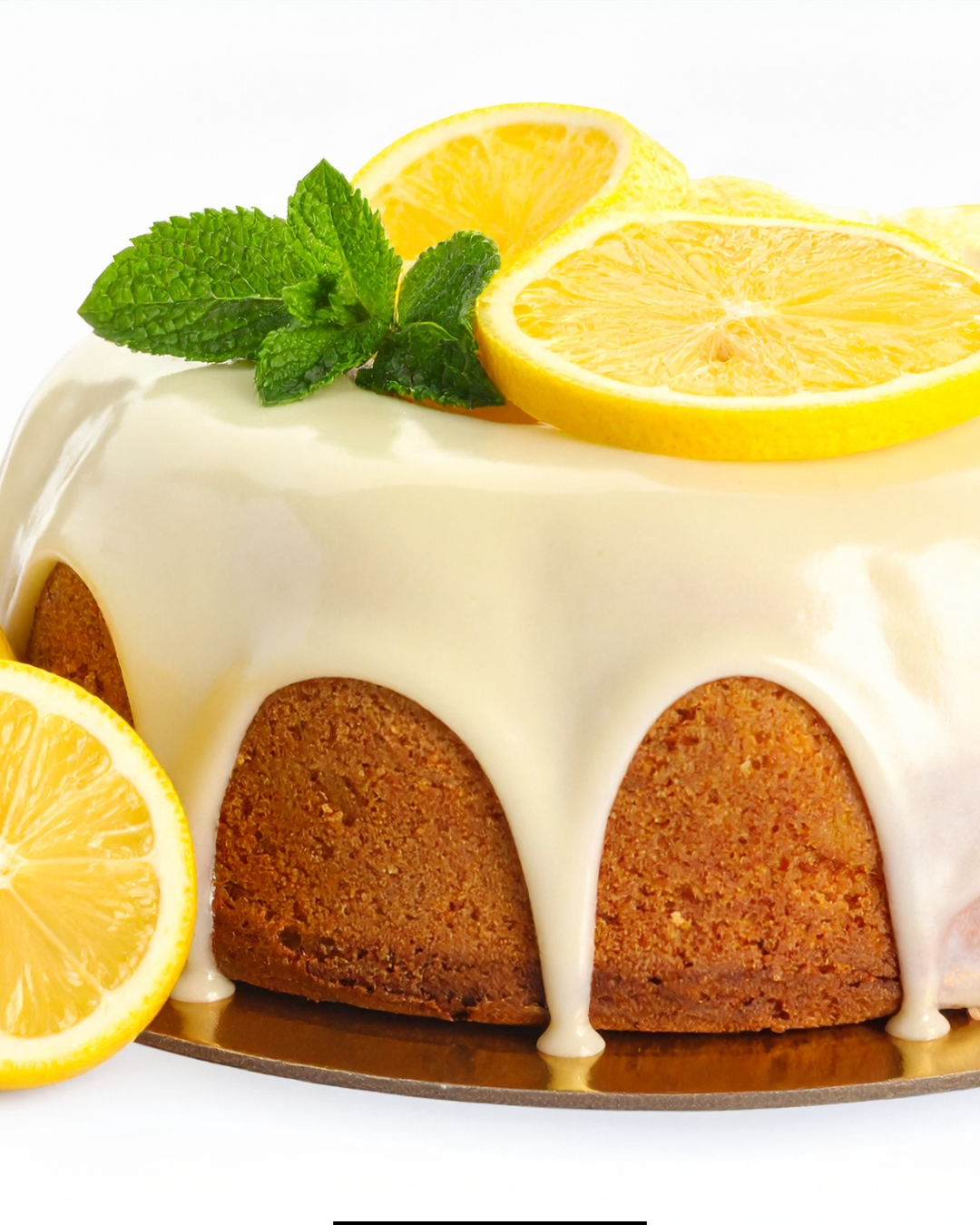
For me, few recipes capture this so effortlessly as Donna Hay’s Lemon Cake. Her signature baking style, renowned for its simplicity and elegance, promises a dessert that looks as good as it tastes.
Table of Contents
How to make Donna Hay’s Lemon Cake
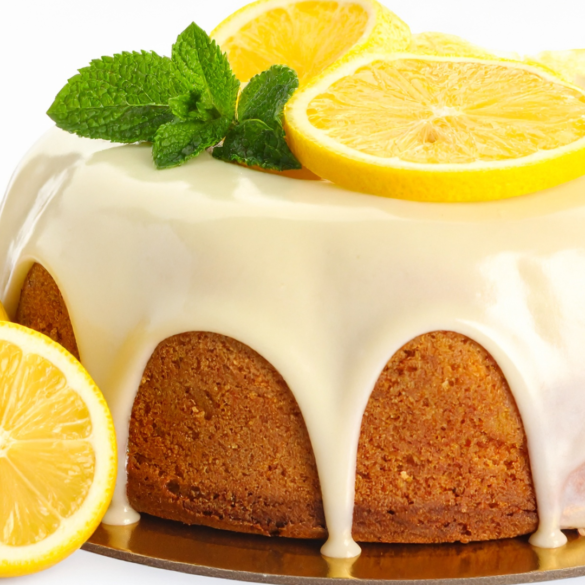
Donna Hay’s Lemon Cake is a simple, elegant citrus cake recipe created by the well-known Australian food stylist and cookbook author. It’s popular for its clean flavors, soft texture, and minimal, fuss-free ingredients.
Ingredients
For the cake:
- 175g unsalted butter, softened
- 1 cup (220g) caster sugar
- 4 eggs
- 1¼ cups (185g) self-raising flour, sifted
- ½ cup (75g) plain flour, sifted
- ½ cup (125ml) milk
- Finely grated zest of 2 lemons
For the lemon syrup:
- ½ cup (125ml) freshly squeezed lemon juice (roughly 2 large lemons)
- ½ cup (110g) caster sugar
Instructions
- Preheat your oven to 160°C (fan-forced) or 180°C (conventional). Grease and line the base and sides of a 20cm round cake tin with parchment paper for easy removal.
- In a large mixing bowl, cream the softened butter and caster sugar together with a hand or stand mixer. Beat until pale, light, and fluffy – this step is key to achieving an airy texture in your cake.
- Gradually add the eggs, one at a time, ensuring each is fully incorporated before adding the next. This will prevent the batter from splitting.
- Using a spatula or wooden spoon, gently fold the self-raising flour and plain flour into the mixture, alternating with the milk. Add the lemon zest last, ensuring it’s evenly mixed through. Be careful not to overmix; this will keep the cake light and tender.
- Pour the batter into your prepared tin, smoothing the top with a spatula. Bake in the preheated oven for 50–60 minutes or until a skewer inserted into the centre comes out clean. Remove from the oven and allow the cake to cool slightly in the tin before transferring it to a wire rack.
- While the cake cools, make the lemon syrup. Combine the lemon juice and caster sugar in a small saucepan. Heat gently over low heat, stirring until the sugar dissolves completely. Bring to the boil, then remove from the heat.
- While the cake is still warm, poke small holes across the surface using a skewer or fork. Slowly drizzle the warm syrup over the cake, allowing it to soak in. This step creates the characteristic moist texture and boosts the lemony flavour.
Baking Tips for Donna Hay’s Lemon Cake
- Make sure your butter, eggs, and milk are at room temperature before starting. This helps the batter combine evenly and results in a smoother cake.
- The zest adds depth to the lemon flavour, so make sure to grate it finely (avoiding the bitter white pith).
- While bottled lemon juice can be convenient, fresh lemons offer the best flavour for both the cake and syrup.
- If you prefer a more tart flavour, reduce the sugar slightly in the syrup. Taste as you go to strike the perfect balance for your palate.
- This cake keeps wonderfully at room temperature in an airtight container for up to 3 days. It can also be frozen (without the syrup) for up to a month – defrost and drizzle with fresh syrup before serving.
What to serve with
Donna Hay’s Lemon Cake is a delight in its own right—moist, zesty, and bursting with citrus flavour. However, pairing it with the right accompaniments takes this already indulgent treat to the next level.
1. A Dollop of Fresh Cream: For a classic pairing, serve each slice with a spoonful of whipped cream. The subtle richness of the cream complements the tanginess of the lemon cake perfectly. To keep things refined, lightly whip double cream with a touch of vanilla or a sprinkle of icing sugar. This simple addition feels luxurious without overpowering the cake’s lemony goodness.
2. Clotted Cream or Mascarpone: If you’re looking for a touch of decadence, why not try serving your lemon cake with a generous scoop of clotted cream? Its ultra-rich texture pairs beautifully with the cake’s softness. Alternatively, mascarpone—perhaps lightly sweetened or flavoured with a hint of lemon zest—adds a lovely creaminess with a hint of freshness.
Ingredients Substitutes
Sometimes, we may not have all the specific ingredients to hand when the baking itch strikes, or dietary preferences and restrictions may require tweaks. Thankfully, Donna Hay’s Lemon Cake recipe is versatile enough to accommodate adjustments without compromising its incredible flavour and texture.
1. Unsalted Butter
Original Ingredient: 175g unsalted butter, softened
Substitute: Margarine or Dairy-Free Butter Alternative
Margarine or plant-based butter spreads work well if you’re avoiding dairy. Be sure to select a block-style butter substitute (typically higher in fat) for better results, as tub varieties can make the batter too greasy.
Substitute: Coconut Oil
Use the same amount of coconut oil (175g) if you’re out of butter or want a dairy-free option. Coconut oil brings a subtle richness, but be mindful of its coconut flavour. If you’re not after that hint of coconut, opt for refined coconut oil, which has a neutral taste.
2. Caster Sugar
Original Ingredient: 1 cup (220g) caster sugar
Substitute: Granulated Sugar
If you don’t have caster sugar on hand, granulated sugar works just as well. To mimic the fine texture of caster sugar, blitz the granulated sugar briefly in a food processor before using.
Substitute: Brown Sugar
For a richer, more caramel-like flavour, light brown sugar can be used as a 1:1 substitute. Keep in mind that this will slightly alter the flavour and colour of the cake.
Substitute: Coconut Sugar
For a more natural, low-glycaemic sweetener, use coconut sugar. The cake might take on a deeper colour and a mild caramel flavour, but it will still be delicious.
Substitute: Honey or Maple Syrup
Both honey and maple syrup can replace sugar at a ¾:1 ratio (¾ cup of honey or syrup for every 1 cup of sugar). However, keep in mind that these liquid sweeteners will slightly change the batter’s texture, so you may need to reduce the milk by 1–2 tablespoons to balance the liquid ratio.
3. Eggs
Original Ingredient: 4 eggs
Substitute: Egg Replacements
If you’re baking for someone with an egg allergy or prefer a vegan option, the following substitutes work well (use one substitute per egg):
- Flaxseed Meal: Mix 1 tablespoon of flaxseed meal with 3 tablespoons of water for each egg.
- Chia Seeds: Similar to flax, mix 1 tablespoon of chia seeds with 3 tablespoons of water. Let it sit for 5 minutes to form a gel-like consistency.
- Unsweetened Applesauce: Use ¼ cup of applesauce per egg for added moisture and natural sweetness.
- Commercial Egg Replacers: Products like Ener-G Egg Replacer or brands like Orgran provide a fuss-free option.
4. Self-Raising Flour
Original Ingredient: 1¼ cups (185g) self-raising flour
Substitute: Plain Flour + Baking Powder
If self-raising flour isn’t available, you can make your own by combining 185g of plain flour (1¼ cups) with 2 teaspoons of baking powder and an optional pinch of salt.
5. Plain Flour
Original Ingredient: ½ cup (75g) plain flour
Substitute: Wholemeal Flour
For a slightly nuttier, wholesome cake, substitute the plain flour with wholemeal flour. However, keep in mind that this may result in a denser texture and a darker colour.
Substitute: Gluten-Free Flour Blends
Use a gluten-free flour blend (such as Dove’s Farm Free Plain Flour in the UK) if baking for those with gluten intolerance or coeliac disease. For the best results, choose a blend containing xanthan gum or guar gum for better structure.
Substitute: Almond Flour or Oat Flour
These flours can also be used for gluten-free alternatives but may slightly alter the cake’s texture. Almond flour adds richness and moisture, while oat flour adds a hearty, rustic touch.
Final Thoughts
This Donna Hay’s Lemon Cake is perfect paired with a cup of English Breakfast tea or served with a dollop of clotted cream for an indulgent treat.
More Cake Recipes:
Ingredients
For the cake:
- 175g unsalted butter, softened
- 1 cup (220g) caster sugar
- 4 eggs
- 1¼ cups (185g) self-raising flour, sifted
- ½ cup (75g) plain flour, sifted
- ½ cup (125ml) milk
- Finely grated zest of 2 lemons
For the lemon syrup:
- ½ cup (125ml) freshly squeezed lemon juice
- ½ cup (110g) caster sugar
Instructions
- Preheat your oven to 160°C (fan-forced) or 180°C (conventional). Grease and line the base and sides of a 20cm round cake tin with parchment paper for easy removal.
- In a large mixing bowl, cream the softened butter and caster sugar together with a hand or stand mixer. Beat until pale, light, and fluffy – this step is key to achieving an airy texture in your cake.
- Gradually add the eggs, one at a time, ensuring each is fully incorporated before adding the next. This will prevent the batter from splitting.
- Using a spatula or wooden spoon, gently fold the self-raising flour and plain flour into the mixture, alternating with the milk. Add the lemon zest last, ensuring it’s evenly mixed through. Be careful not to overmix; this will keep the cake light and tender.
- Pour the batter into your prepared tin, smoothing the top with a spatula. Bake in the preheated oven for 50–60 minutes or until a skewer inserted into the centre comes out clean. Remove from the oven and allow the cake to cool slightly in the tin before transferring it to a wire rack.
- While the cake cools, make the lemon syrup. Combine the lemon juice and caster sugar in a small saucepan. Heat gently over low heat, stirring until the sugar dissolves completely. Bring to the boil, then remove from the heat.
- While the cake is still warm, poke small holes across the surface using a skewer or fork. Slowly drizzle the warm syrup over the cake, allowing it to soak in. This step creates the characteristic moist texture and boosts the lemony flavour.